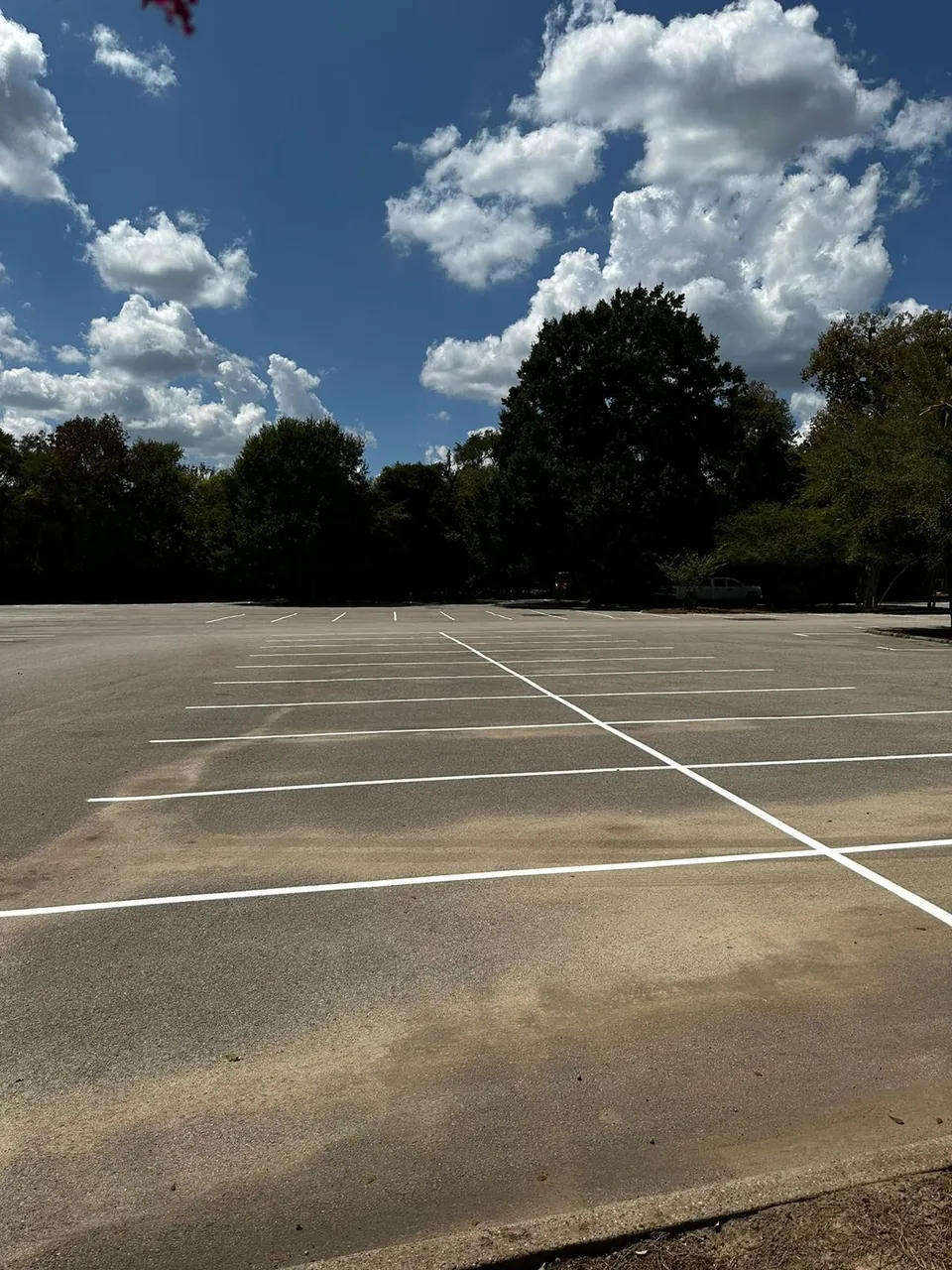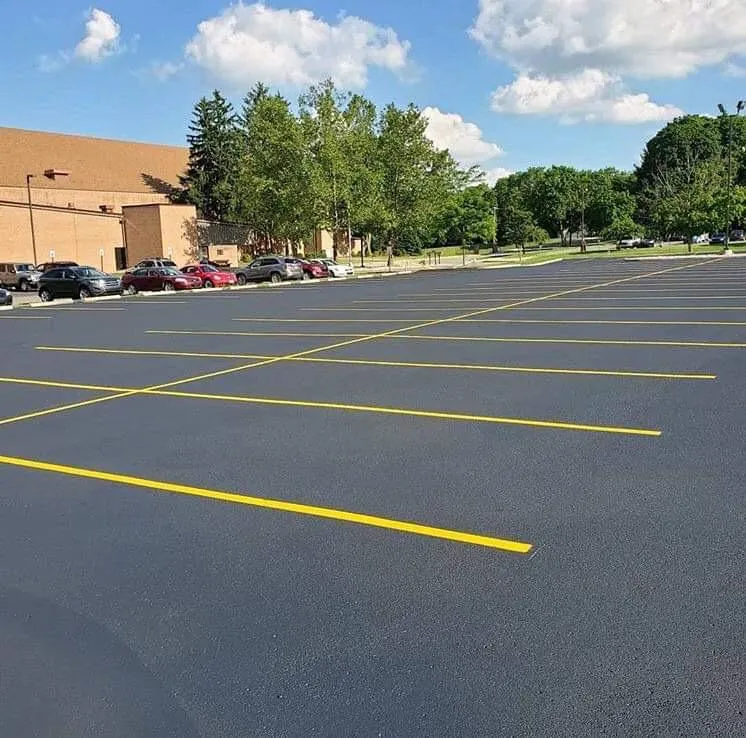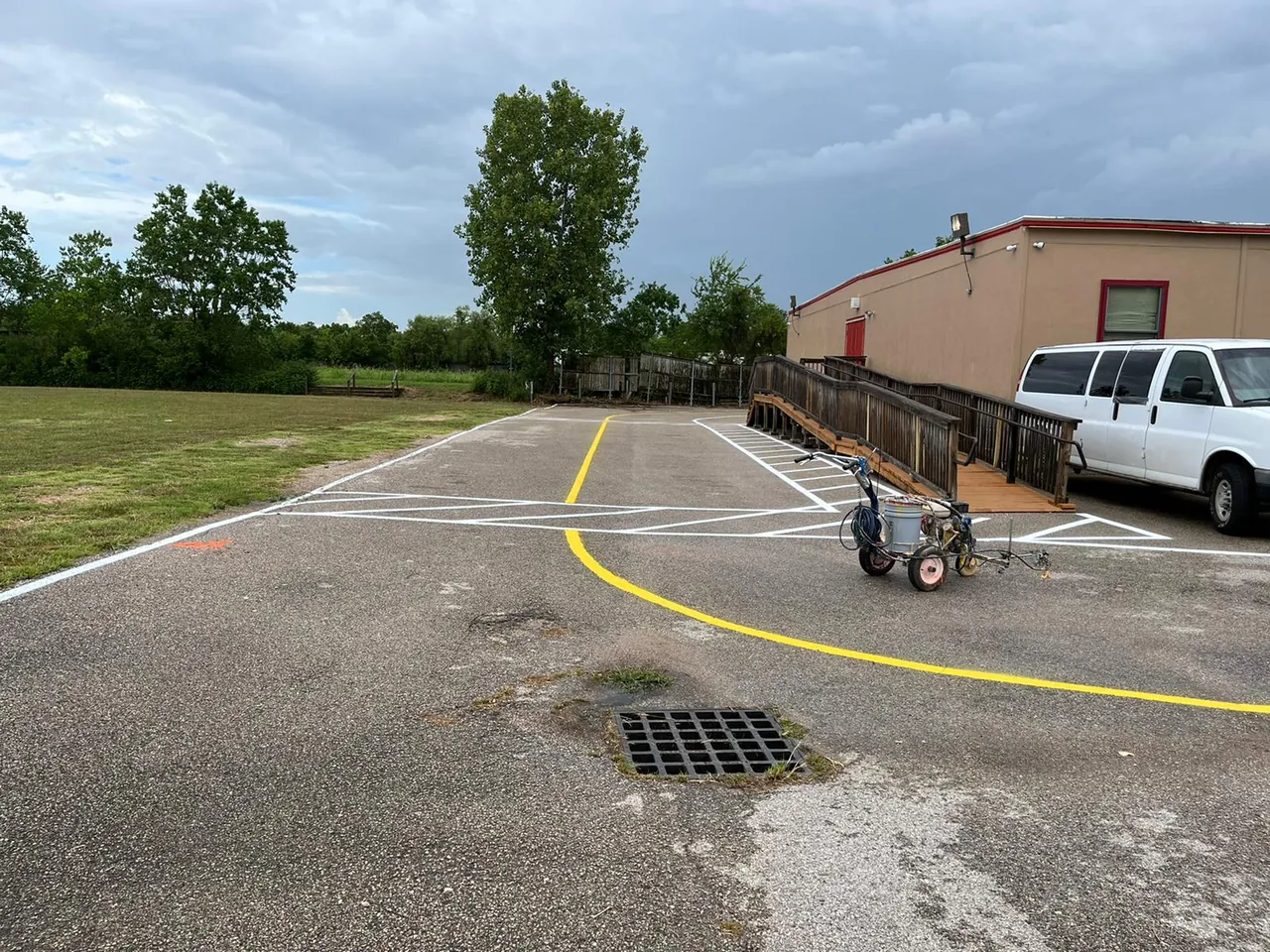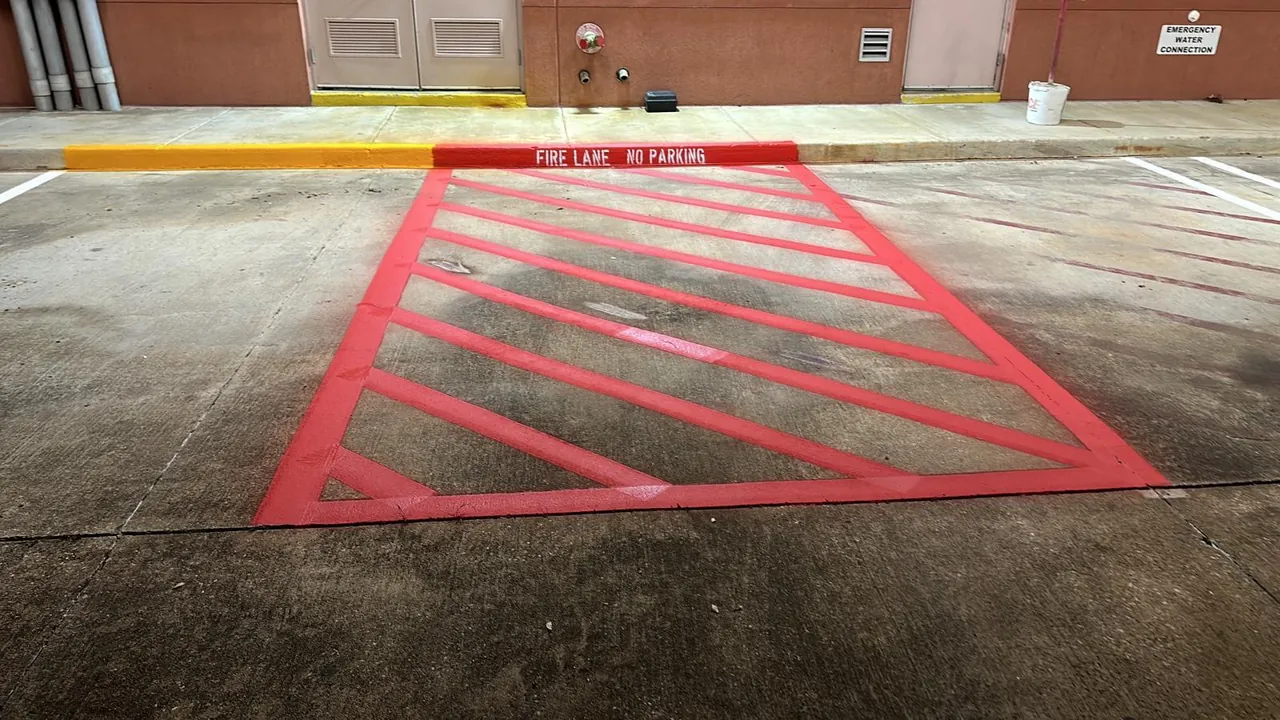
A machine labelled best in a general comparison may not suit the material or work area in a particular project. Equipment should follow the marking specification and the operator's requirements, not a ranking detached from the task.
Define the marking work first
List line widths, lengths, symbols, stencil work and any removal or preparation. Identify the substrate and existing coating. Indoor detail work, a parking-row repaint and specialized road marking are different scopes.
Do not infer that one piece of equipment performs every service mentioned in a general guide.
Check compatibility and instructions
Use the selected coating manufacturer's documentation together with the equipment instructions. Confirm the system is appropriate for the material and application conditions. Do not transfer pressure, tip, heating or cleaning instructions between unrelated systems.
Equipment should be operated and maintained by people with the appropriate training for the actual task.
Consider access and practical staging
Show gates, ramps, curbs, obstacles and the work-zone size. Explain how the area can be isolated and where people and vehicles normally travel. Include handling, cleanup and storage constraints.
A machine's production rate in ideal conditions does not establish a property's completion time.
Evaluate the whole process
Preparation, layout confirmation, setup, application and reopening all affect the work. A faster machine does not resolve an uncertain layout or unsuitable surface.
Keep maintenance and material-handling needs in the discussion rather than comparing only a purchase price or advertised speed.
Send the property address, marking list and photographs for a scope discussion. The agreed work and site conditions should guide the equipment requirements.