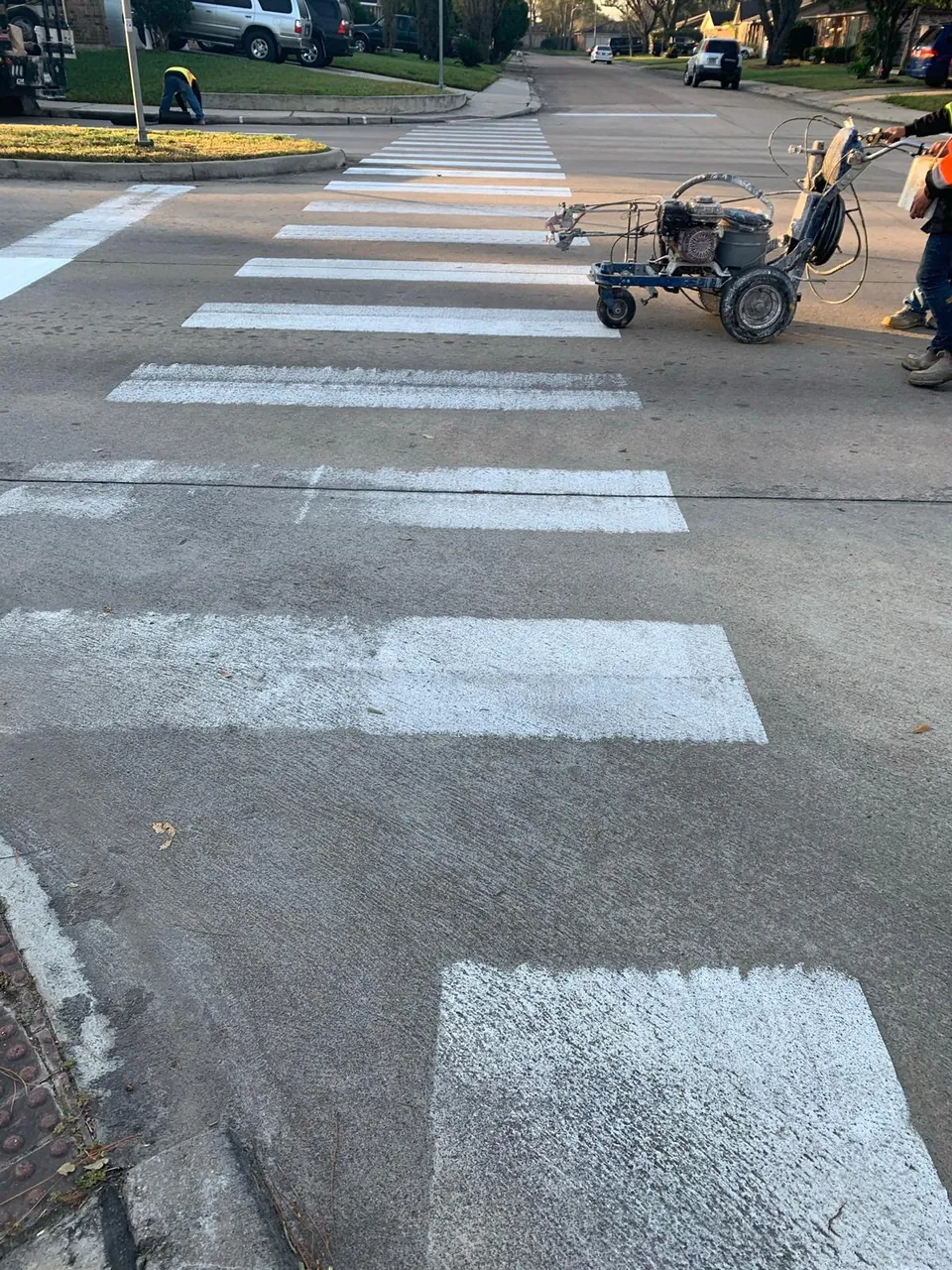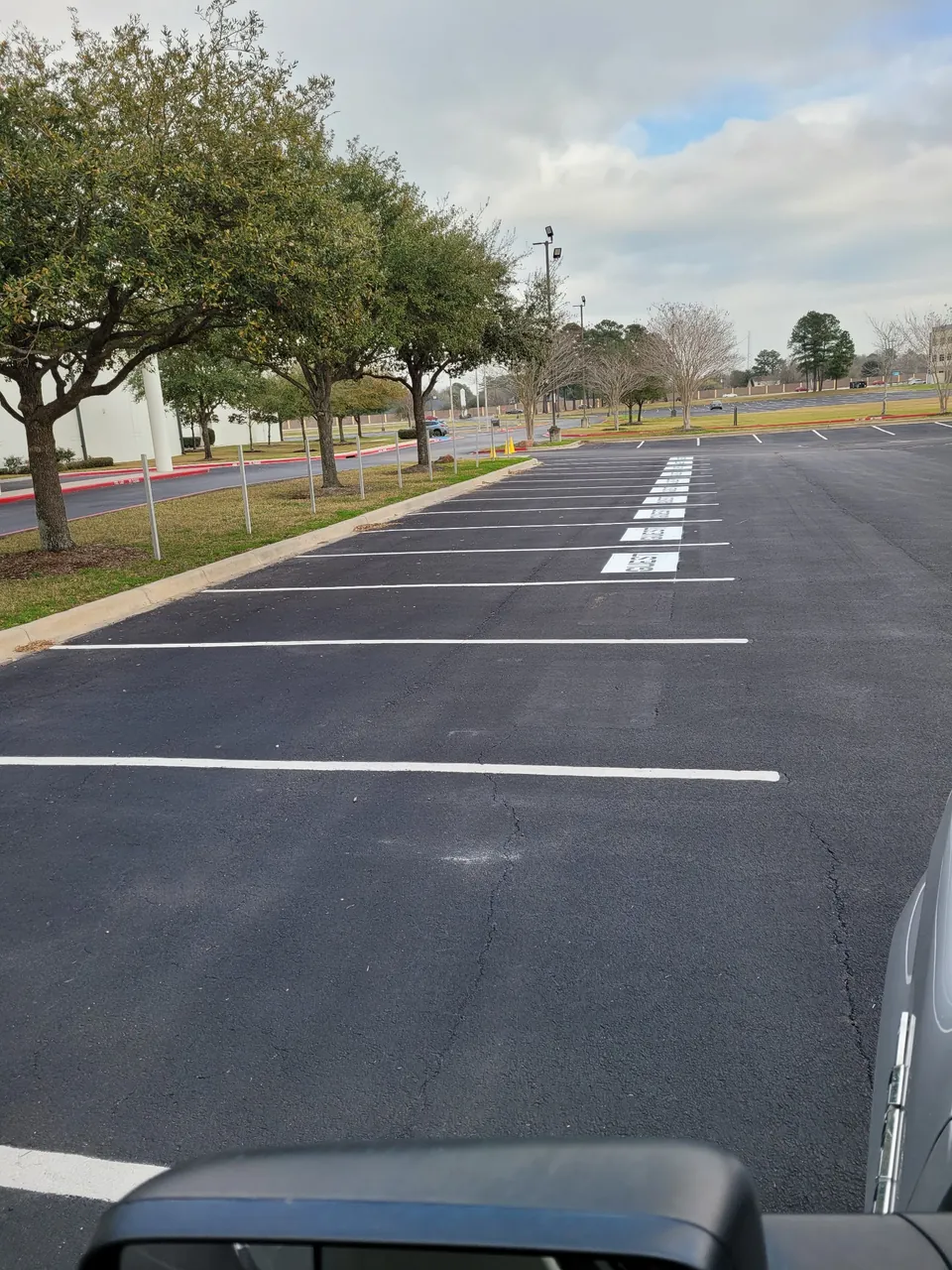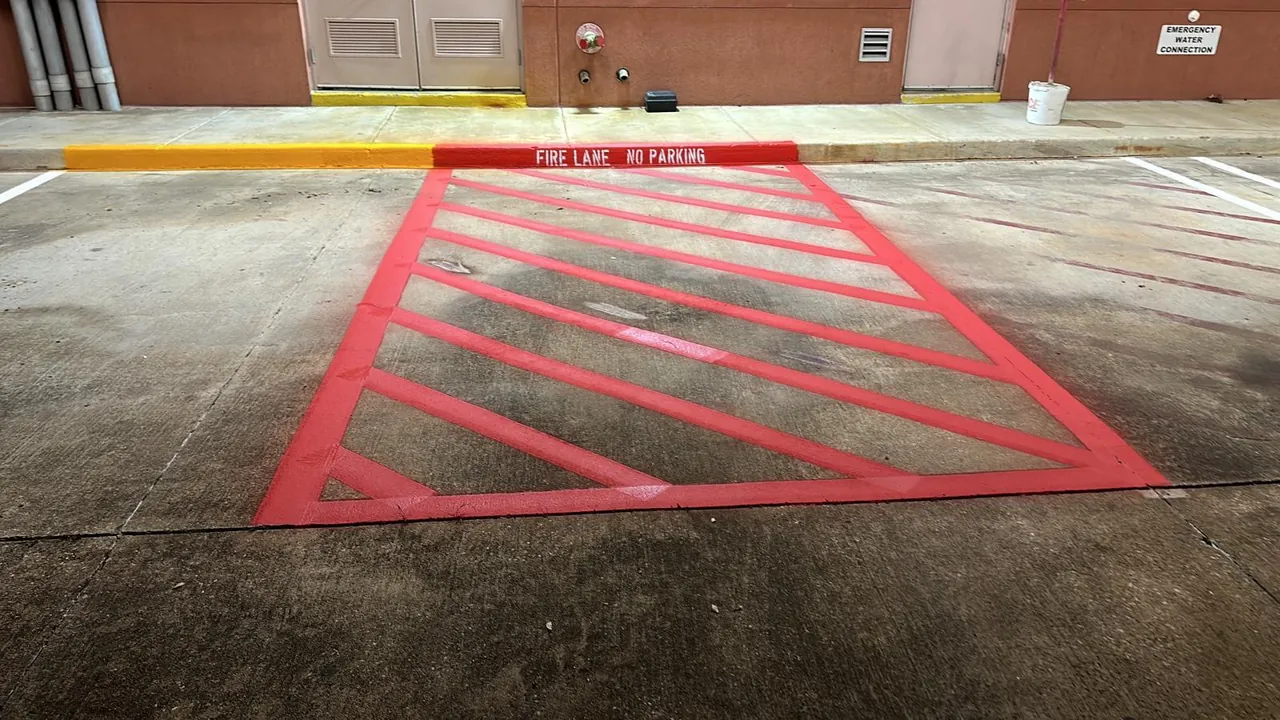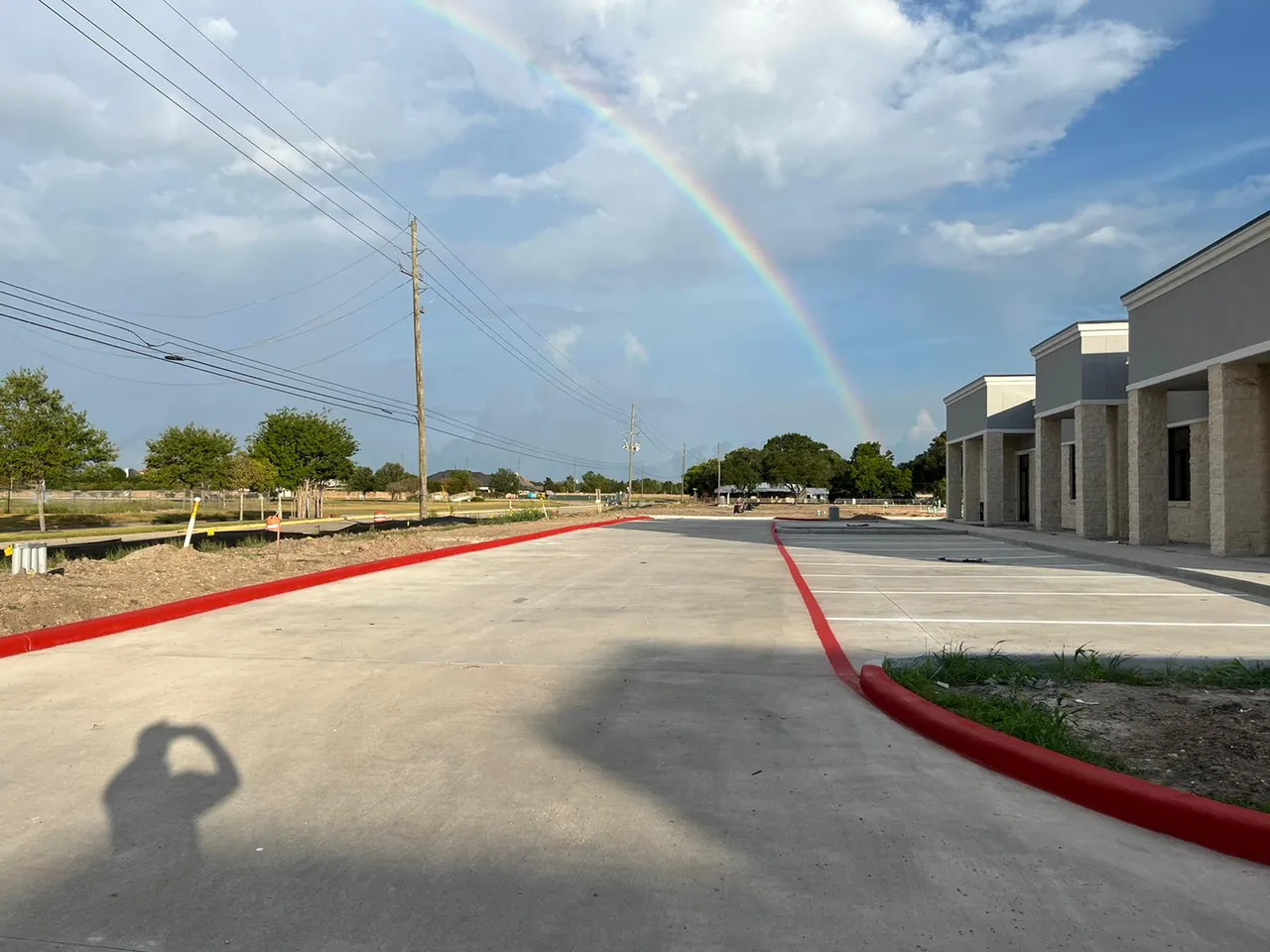
A temporary marking still communicates an instruction while it is present. The proposal needs to address how that instruction works, how it interacts with existing marks and what happens when the temporary use ends.
Define the duration and purpose
Explain whether the need relates to maintenance staging, a short-term use or another operational change. Identify the intended users and dates. Do not assume temporary means exempt from applicable traffic, access or property requirements.
Changes involving public traffic or emergency access need the appropriate plan and authority review.
Check for conflicting instructions
Show existing lines, arrows, reserved areas and signs. Identify what will remain visible during the temporary arrangement. Do not simply add a second route over an old one and expect users to know which applies.
Keep walking routes and accessible arrangements in the complete site discussion.
Confirm substrate and removal expectations
Discuss the exact temporary system with its supplier or installer. Ask about compatibility, application conditions, removal method and the possibility of residue or surface effects. Removable is not a guarantee of effortless or damage-free removal from every pavement.
Do not test an unfamiliar product on a customer's property without the appropriate agreement.
Assign the ending responsibilities
Record who installs, inspects, maintains and removes the temporary arrangement. Agree what conditions trigger its removal or revision and how the original or revised permanent layout will be restored.
Include the work-area access plan and relevant approvals separately from the material description.
Send the property address, photographs, intended duration and relevant plans. Include the removal requirements and the condition you need the surface returned to.