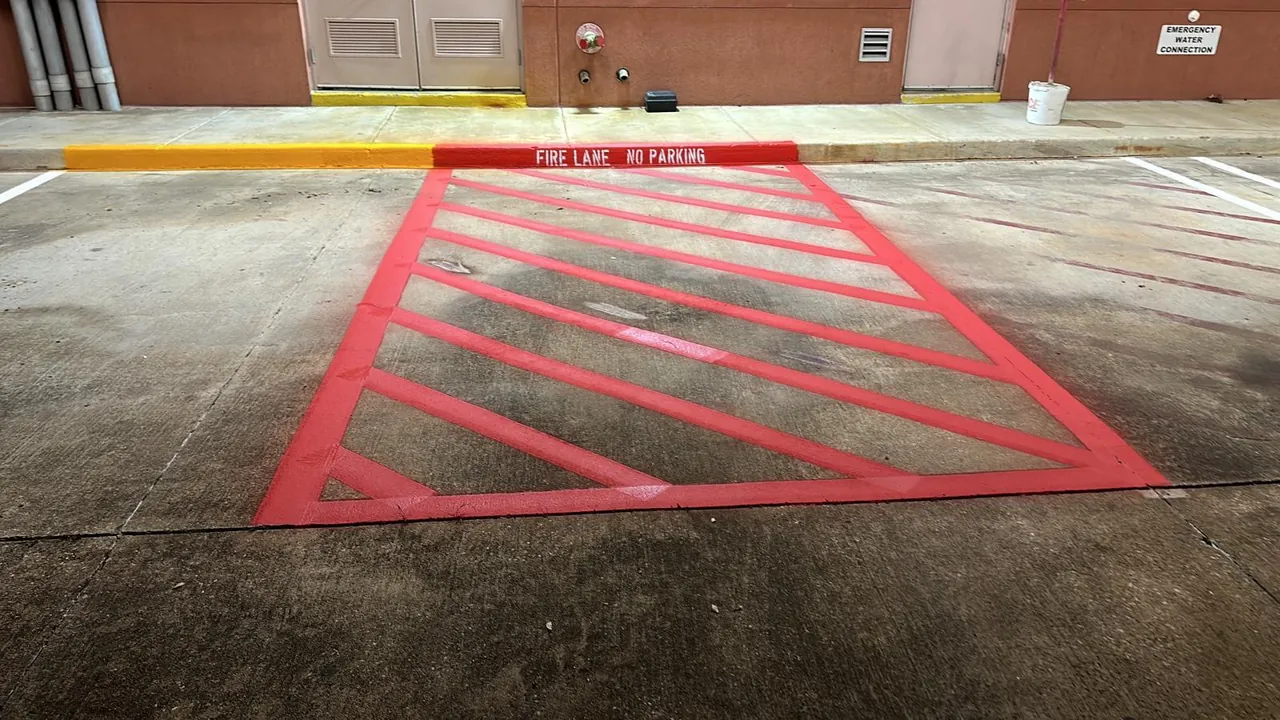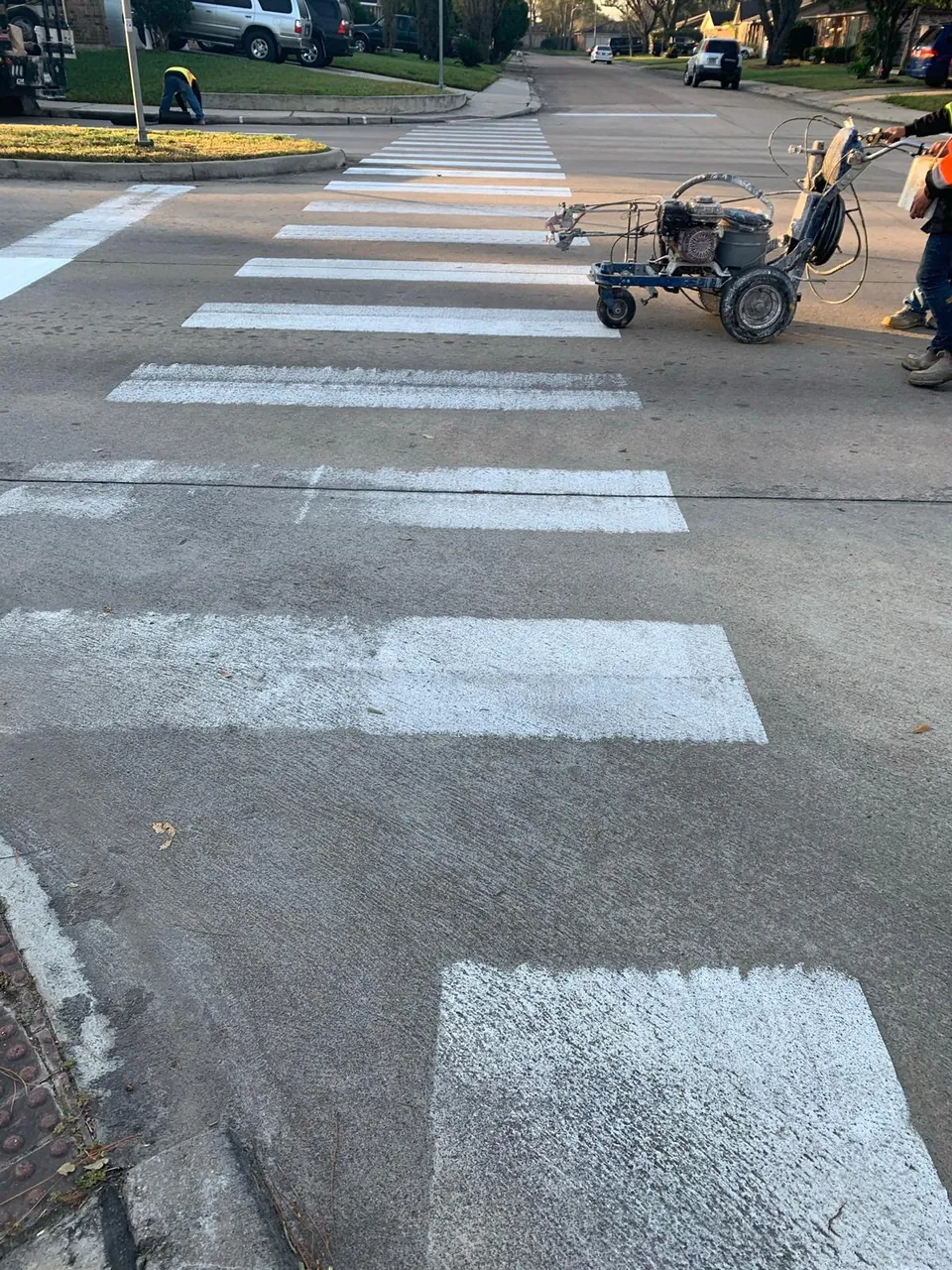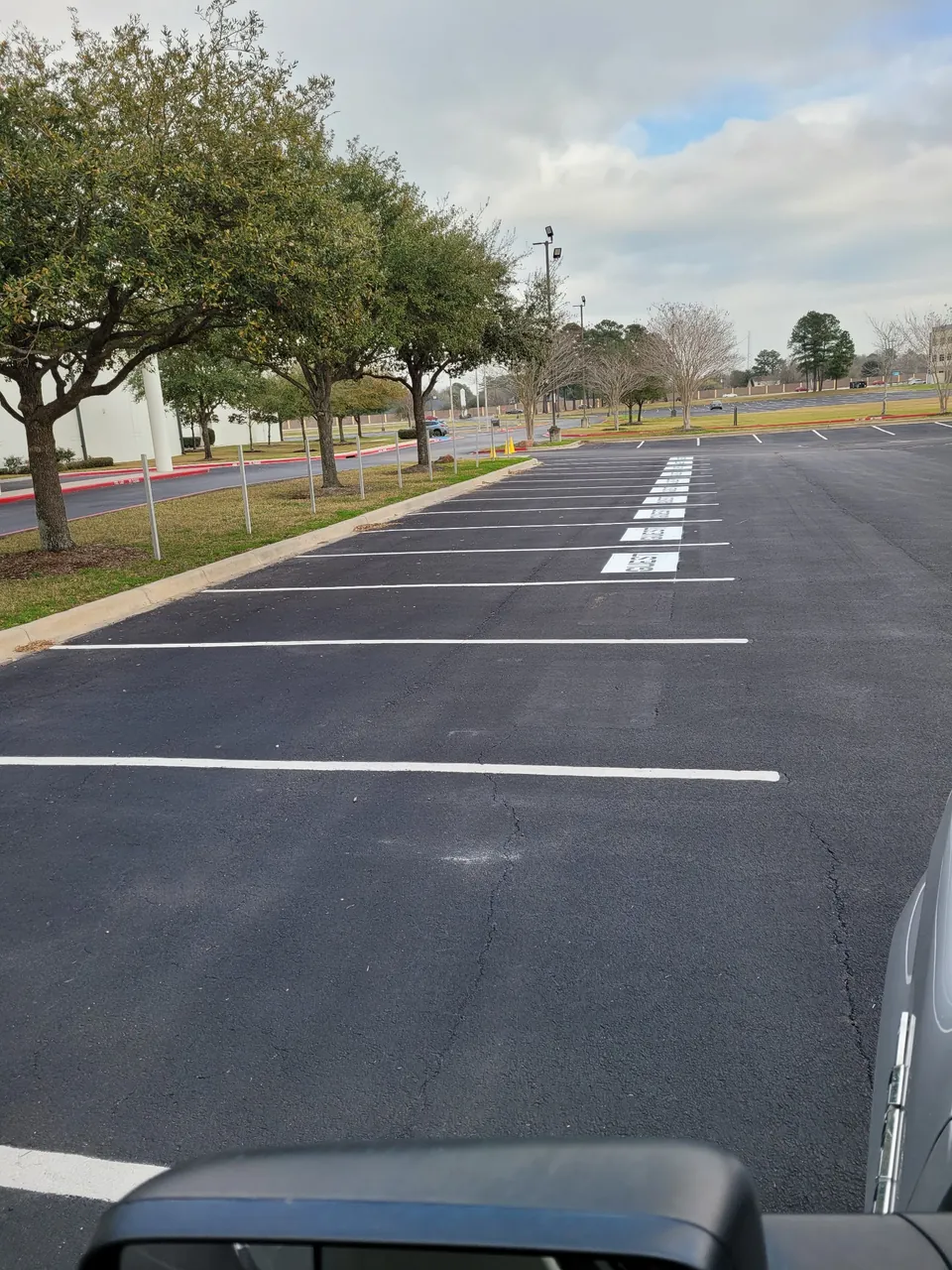
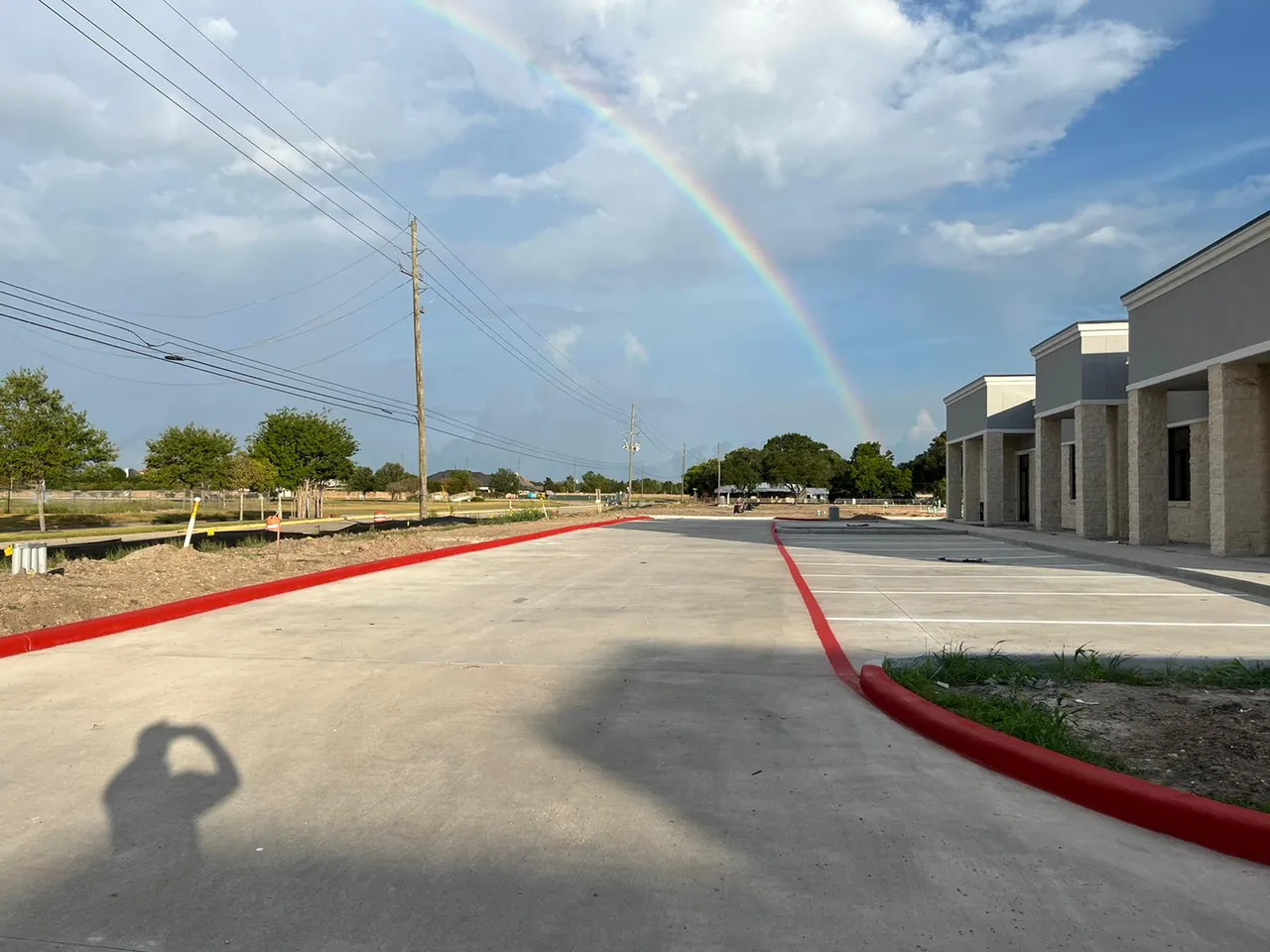
Fire-lane marking work should begin with the property's approved fire-access arrangement and the responsible local authority, not a generic stripe width or a photograph from another city. A familiar red curb is not enough to determine where the lane belongs or which signs and lettering are required.
Identify the jurisdiction and approved instructions
Provide the property address and identify the fire marshal or other authority responsible for that location. Ask for the current approved plan, relevant inspection notes and marking requirements. If the lane is new, relocated or disputed, resolve its approval before applying permanent markings.
Requirements can differ by jurisdiction and property conditions. Missouri City's Fire Marshal Office, for example, publishes local marking requirements and says authorization is needed to install the markings. That city's details are not a statewide specification for every site we discuss.
Separate repainting from establishing a lane
A repaint follows an agreed existing arrangement. Establishing or changing a fire lane involves questions about emergency access, signs, obstructions and the applicable approval process. Do not infer the entire arrangement from faded curb paint or move a lane to create more parking spaces.
Before requesting a price, distinguish the curb faces, pavement edges, lettering and any other marking items in the approved scope. Include photographs and dimensions, but do not treat a striping quote as approval of fire-access geometry.
Confirm the signs and the surrounding access
Paint and signs are separate items. Confirm which are required, what wording and spacing apply and who is responsible for any installation or correction. Markings do not remove stored materials, repair a blocked drive or provide physical access through a locked barrier.
Show nearby entrances, hydrants, fire-department connections, loading areas and any obstructions on the material submitted for review. The responsible authority determines what applies to the property. Accessibility requirements may also affect the overall site, but they are not a substitute source for local fire-lane paint specifications.
Arrange the work around access needs
Discuss how the marking work will be isolated and how necessary property access will be maintained. Obtain appropriate instructions if the work affects emergency access or another occupied-property route. A planned painting date does not authorize blocking the lane.
Follow the selected product's surface-preparation, application and traffic-release instructions. Do not use a single generic drying time for every coating and condition.
Keep the completed scope documented
Retain the approved instructions and record which areas were marked. If the authority requires a final inspection or other approval, arrange it through the appropriate process. Fresh curb paint is not an inspection certificate, and we do not guarantee emergency response times or eliminate a property's enforcement obligations.
What to send us
Include the city, property address, photographs, the approved fire-lane plan or written instructions and the items you want reviewed. Tell us whether you are requesting maintenance of existing markings or proposing a change. We confirm the marking scope rather than inventing a layout from a general article.
Start with the responsible local authority. Examples of official material include the Missouri City Fire Marshal Office and Houston's published fire-department access standard. Confirm the currently applicable instructions directly; an older published document is not a substitute for current property approval.