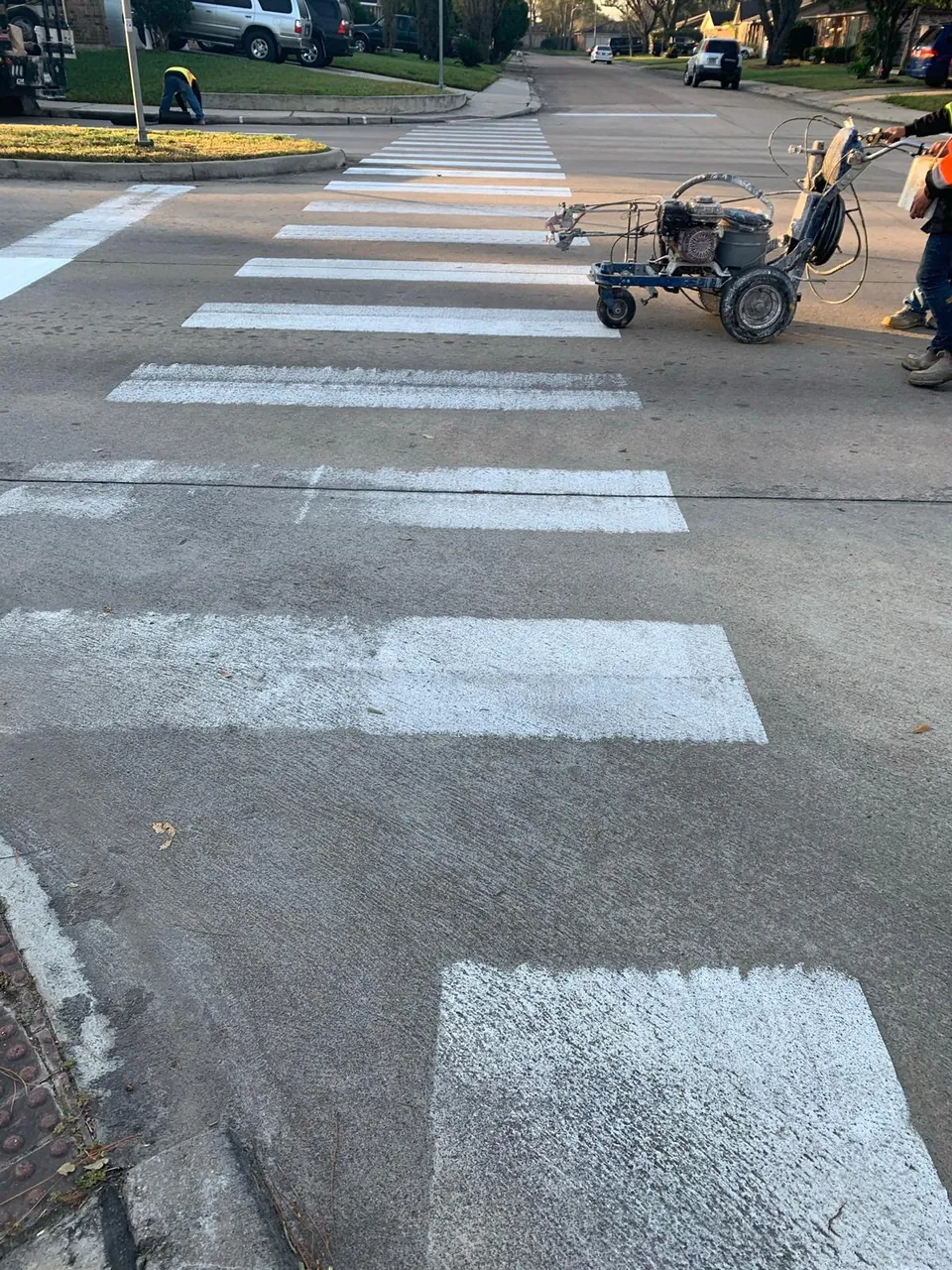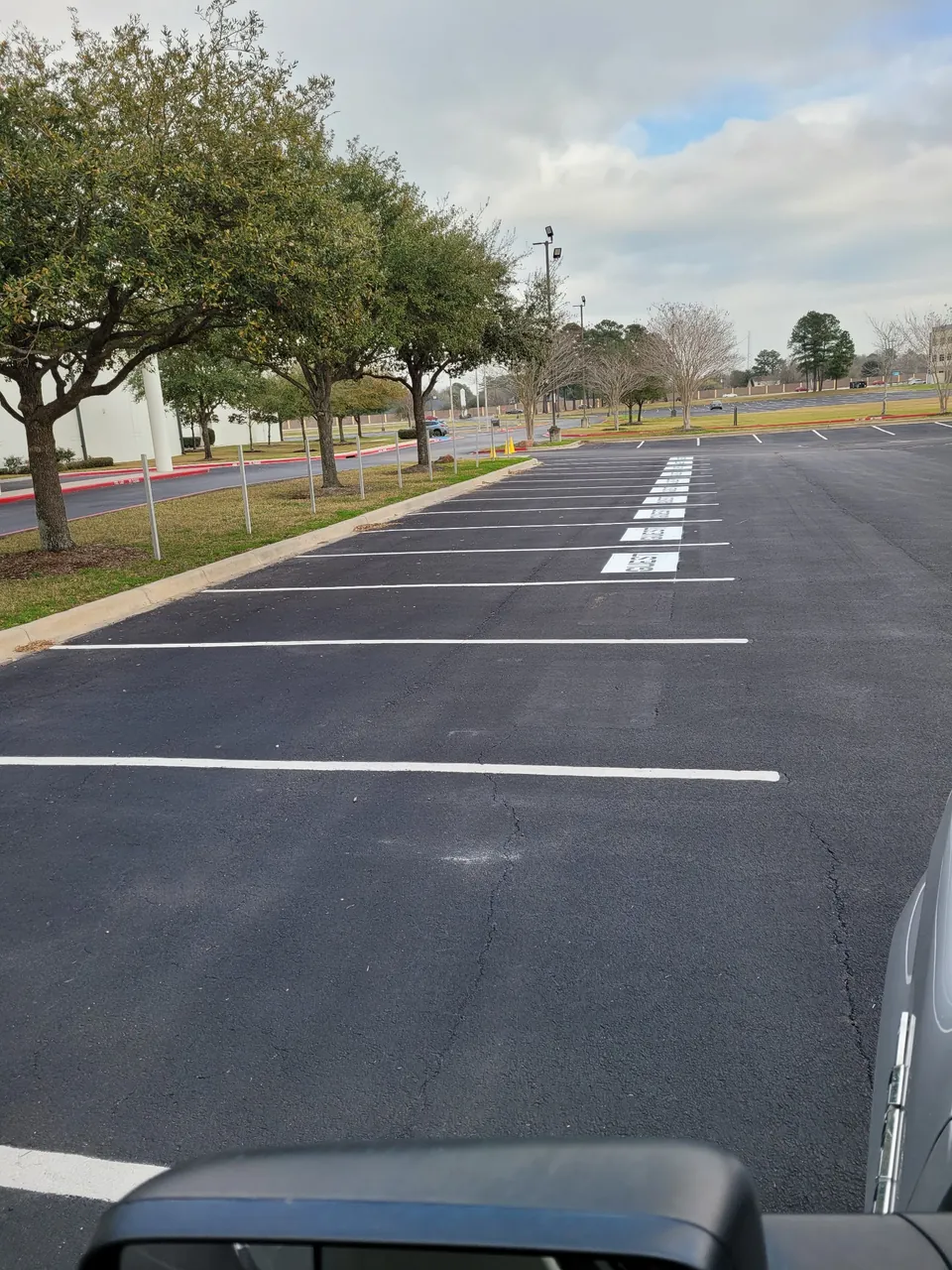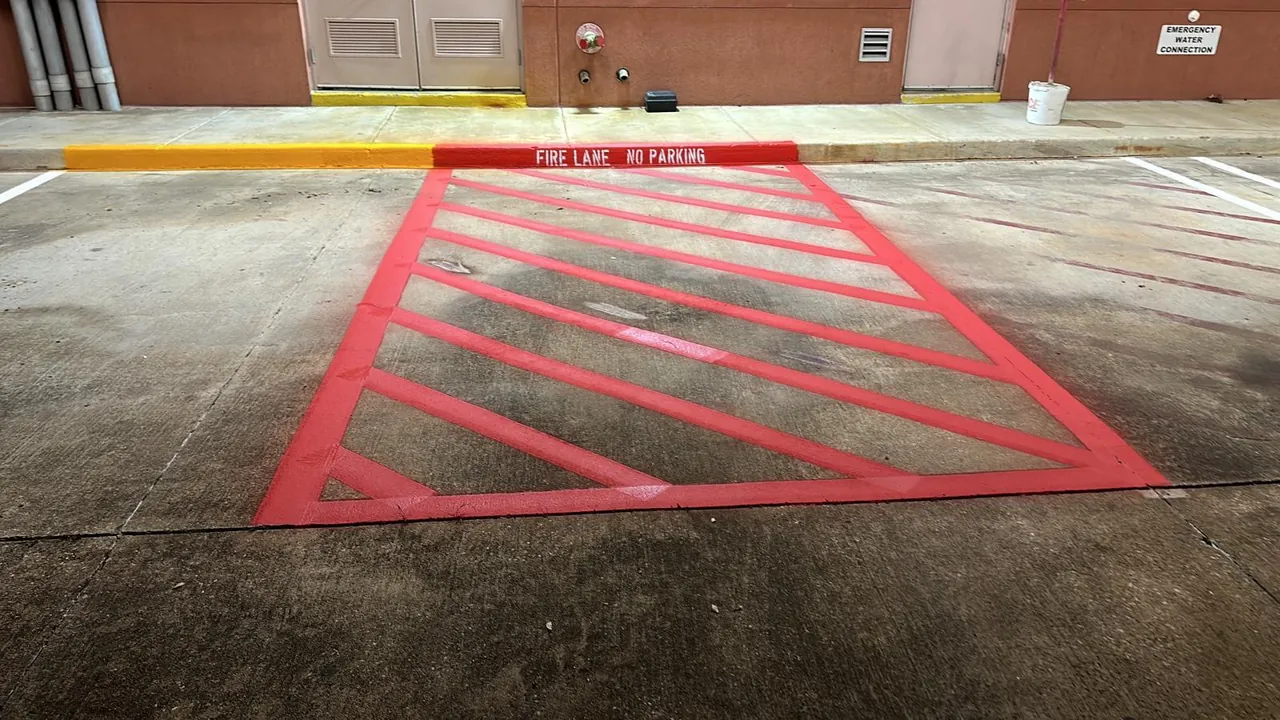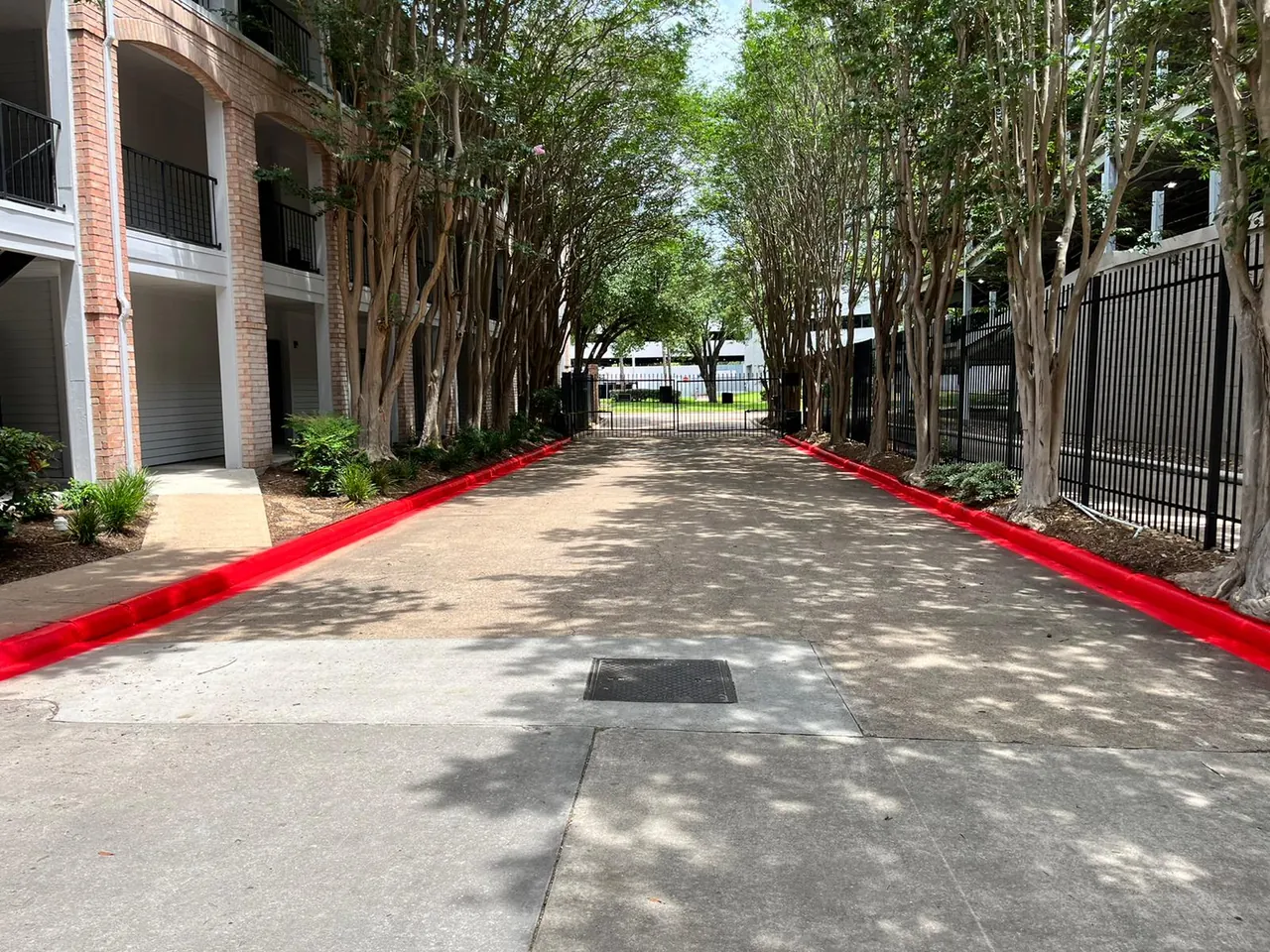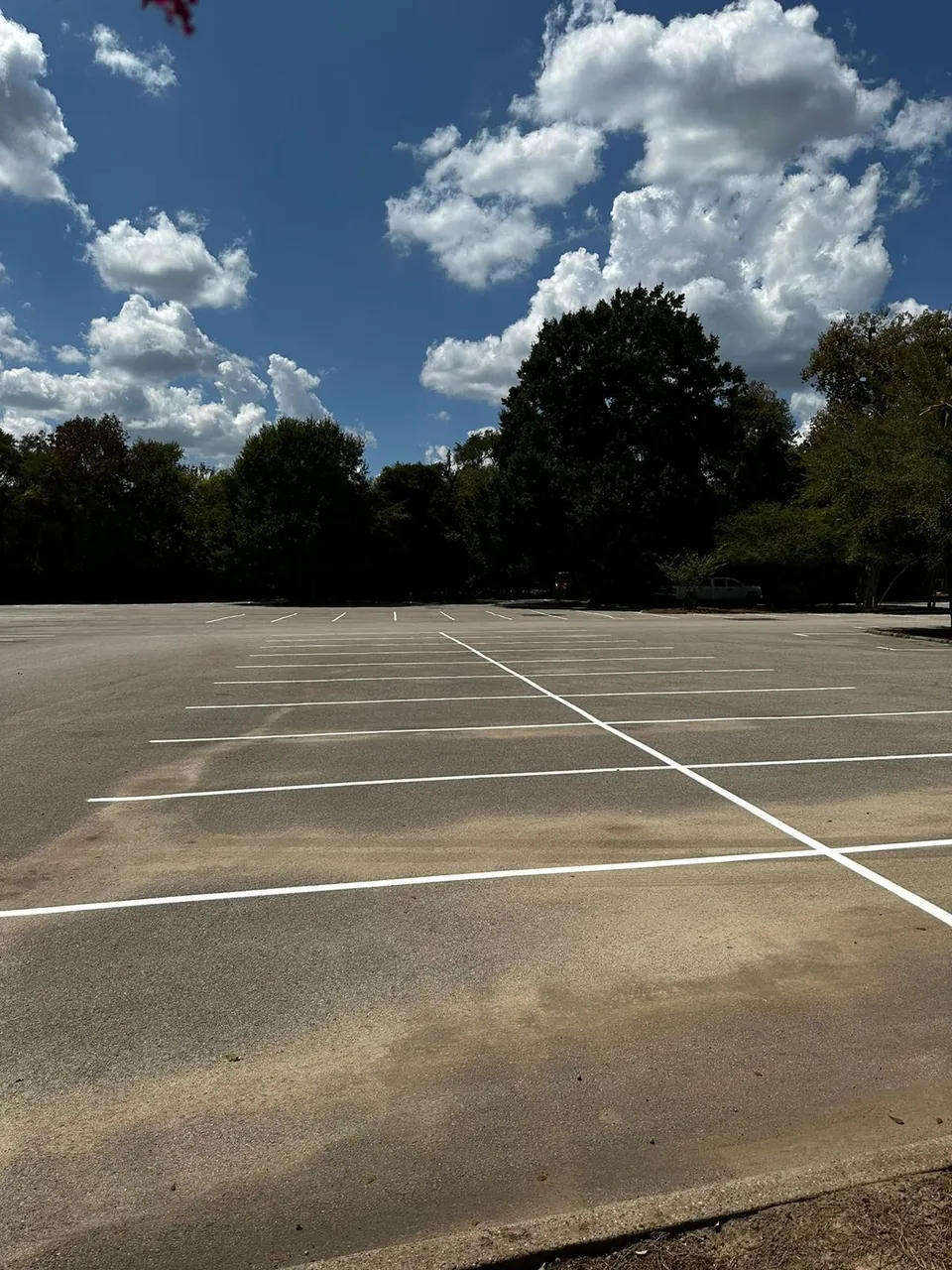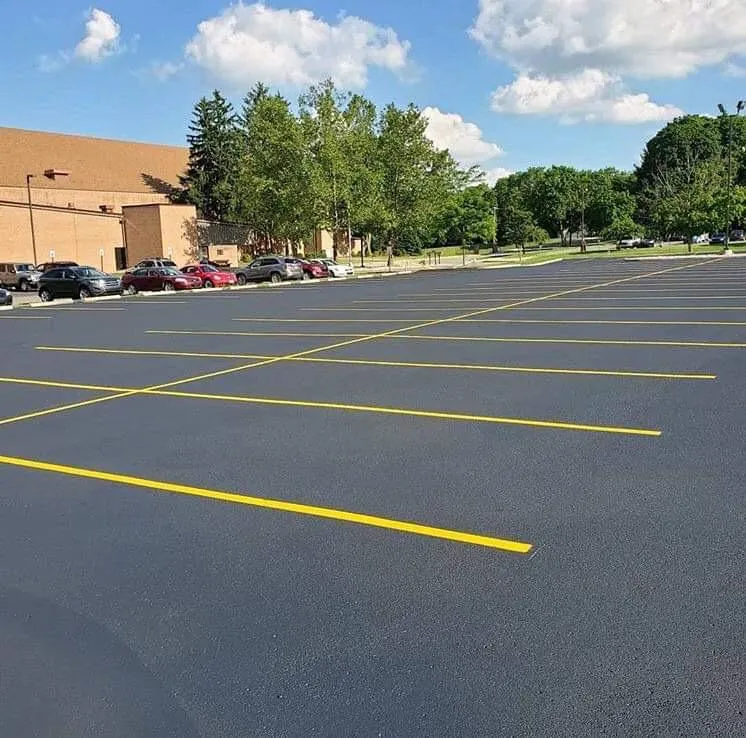
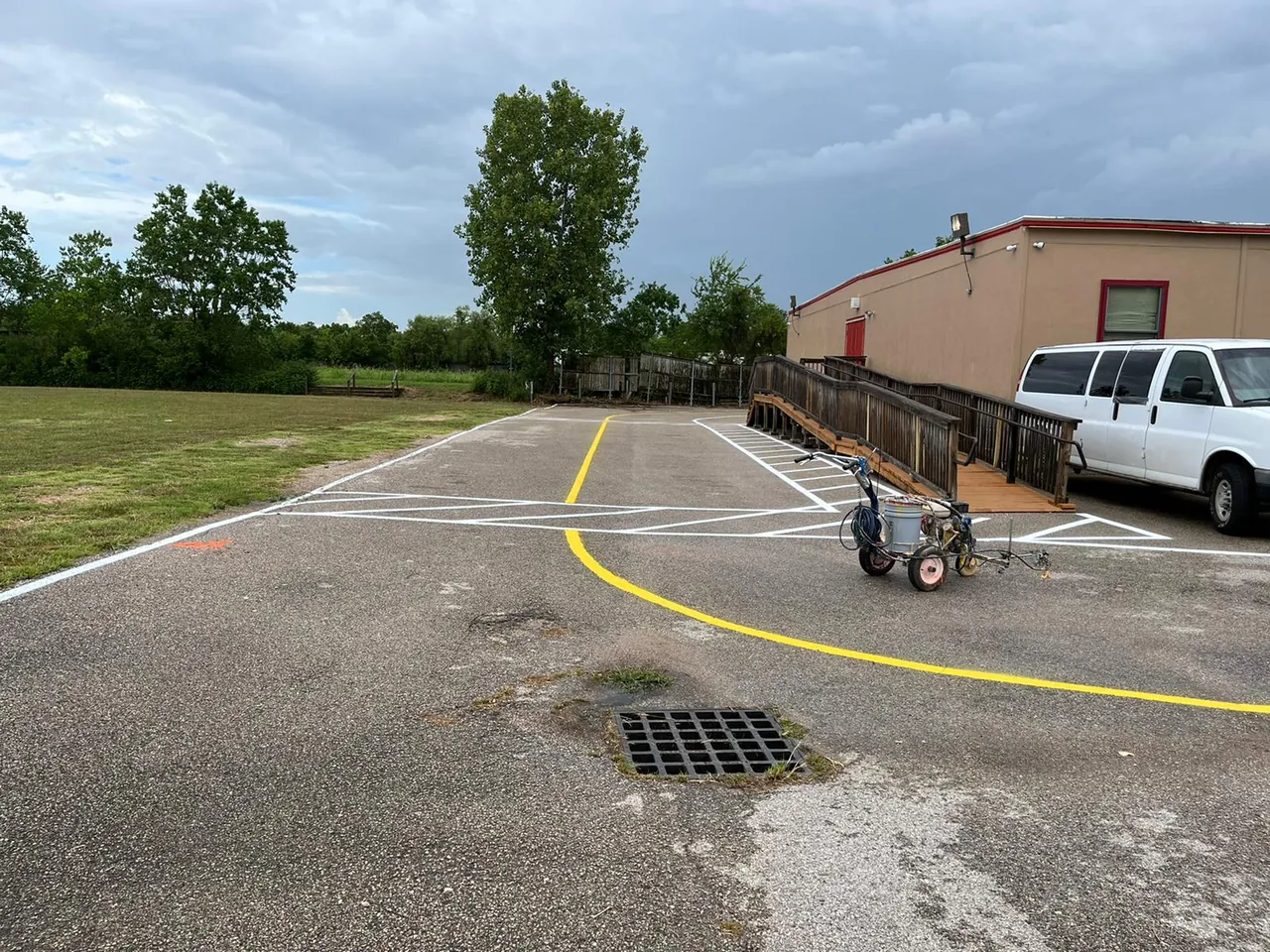
The first DIY question is not how to operate a striper. It is whether the arrangement, product and work area are sufficiently understood to perform the task appropriately. An uncertain layout does not become correct because its lines are repainted neatly.
Understand what you would be repainting
Record the existing lines, symbols, arrows and reserved areas. Identify changes in use and conflicting instructions. Obtain the relevant approved plan or review where required before changing accessibility, circulation or fire access.
Do not copy dimensions or colors from a different property's photograph.
Read the actual product and equipment instructions
Confirm that the coating suits the substrate and existing surface. Read its current product and safety data sheets and the equipment instructions. Preparation, handling, application conditions and traffic release need product-specific consideration.
A general article cannot determine appropriate machine settings, protective measures or removal methods for every situation.
Measure markings rather than pavement
List the actual line lengths and widths and the painted areas of symbols. Use the selected product's stated coverage basis, specified coats and actual surface conditions.
Do not buy paint by dividing the entire lot area by a generic coverage figure.
Know when to obtain help
If the work area cannot be appropriately isolated, the layout is uncertain, specialized equipment is involved or the surface needs diagnosis, obtain suitable help rather than improvise. Plan cleanup and reopening before starting.
A small physical area can still have significant access and operational constraints.
If you would like to discuss professional marking work, send the property address, photographs, plans and the items you want retained, refreshed or changed.