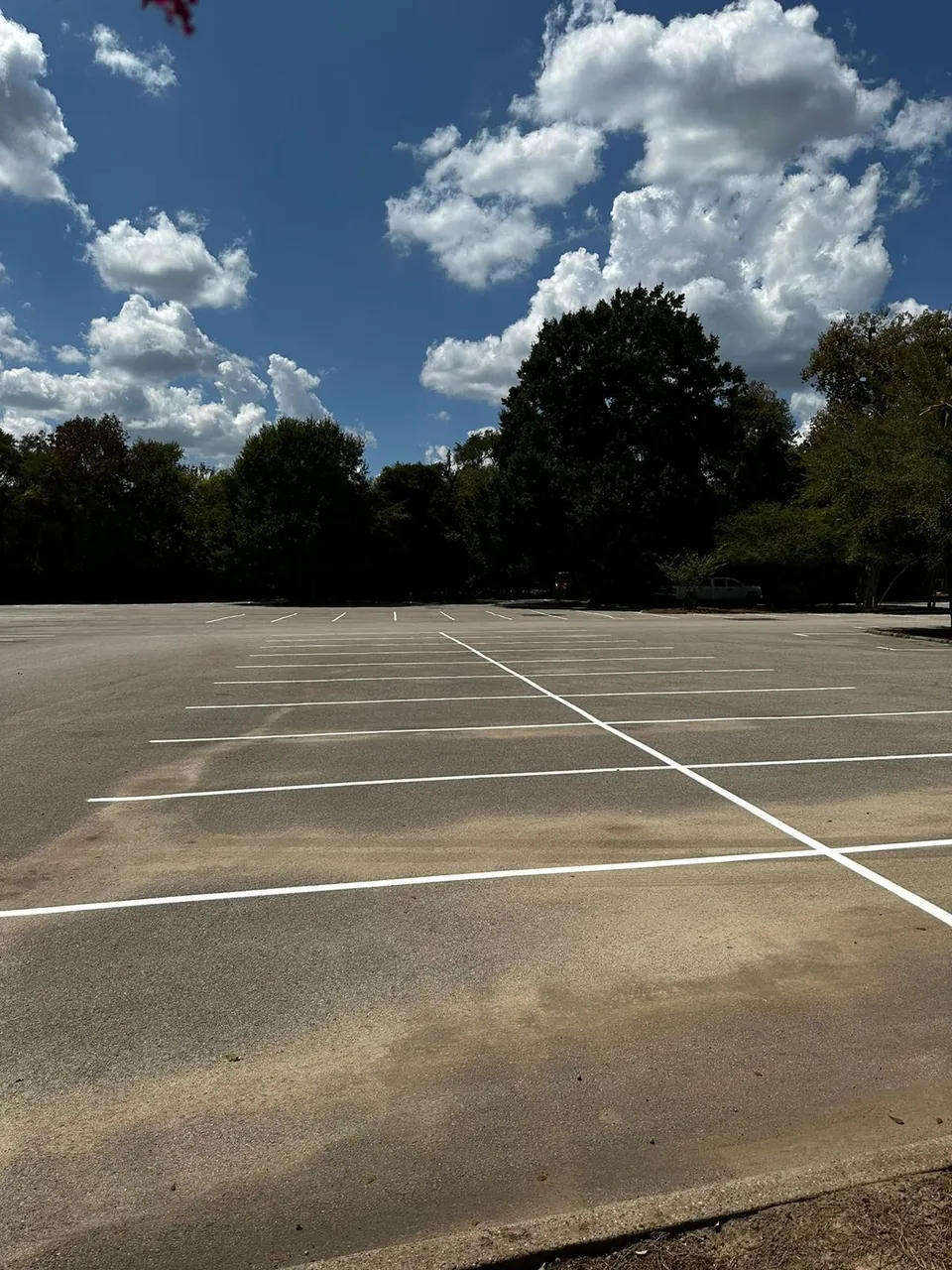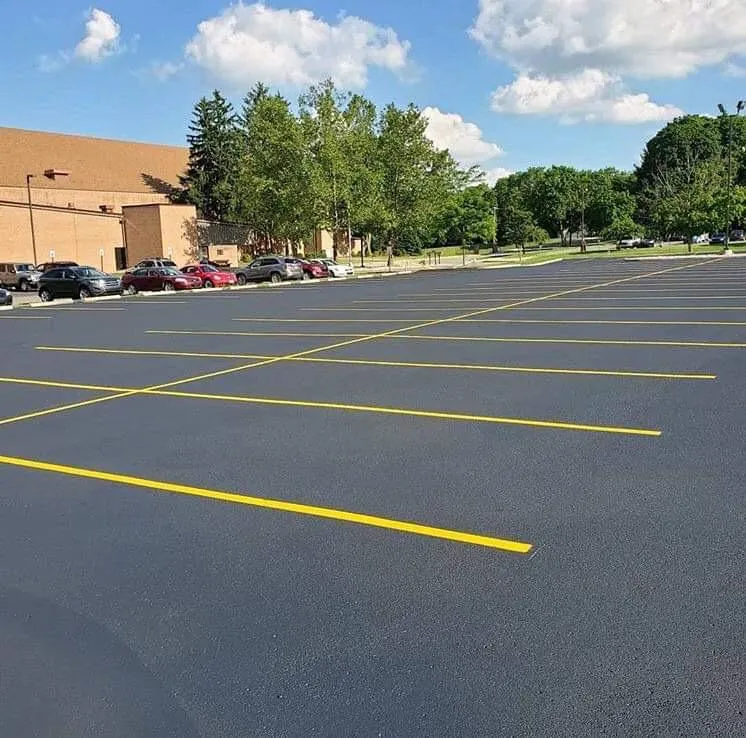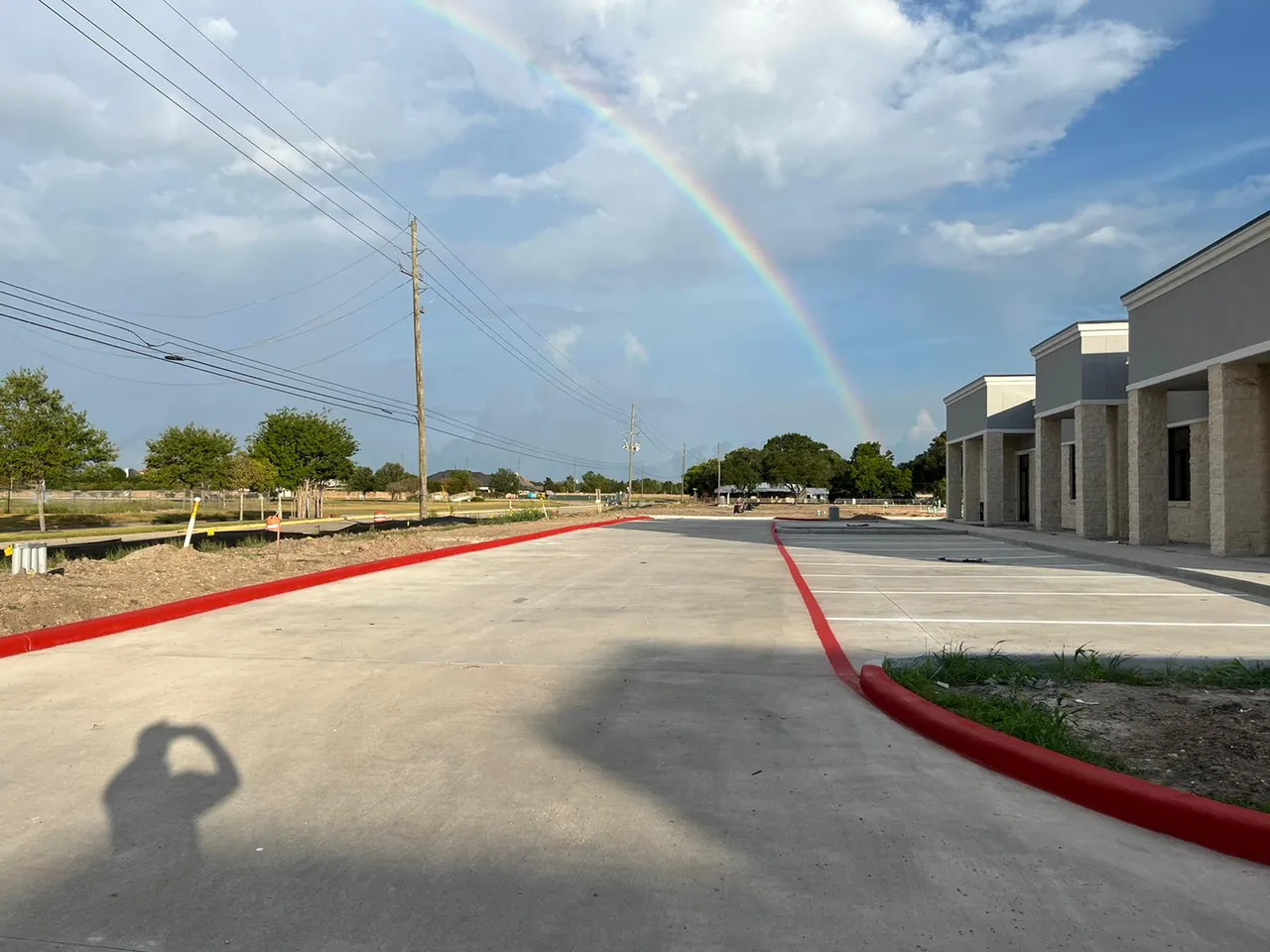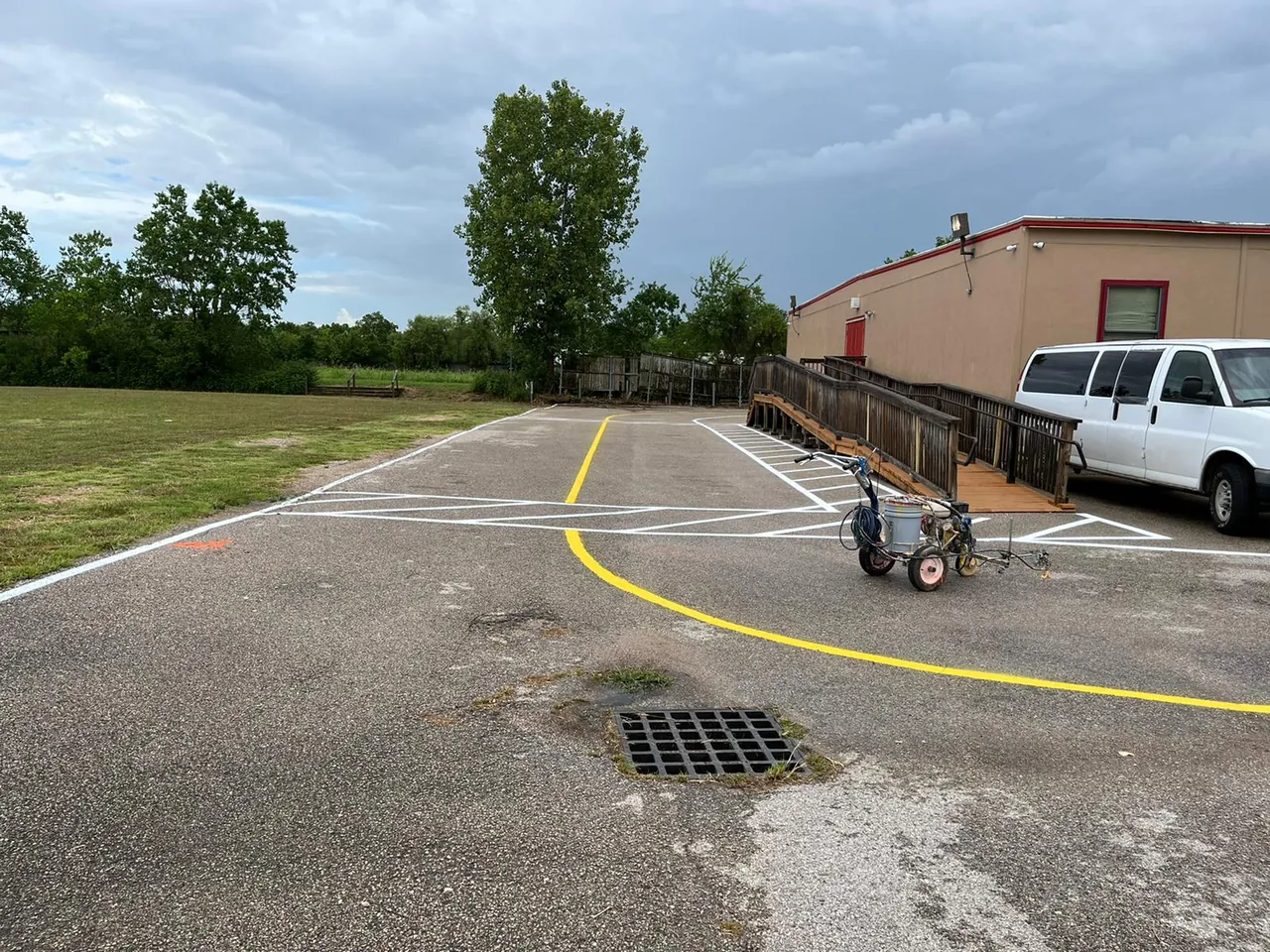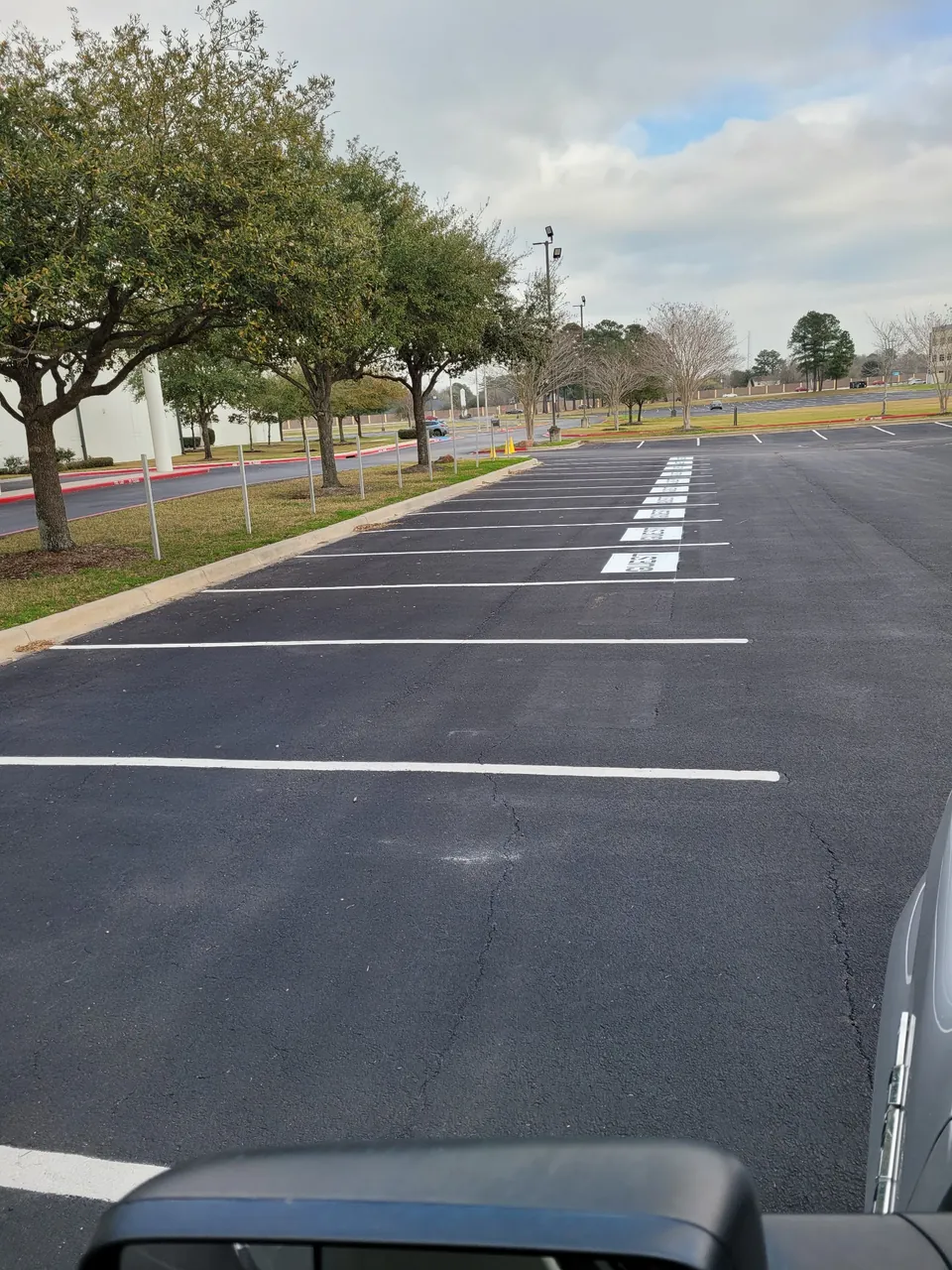
A sports facility can have very different parking conditions during an event and between events. A marking request should explain those movements instead of relying only on photographs of an empty lot.
Describe the event pattern
Identify arrival peaks, departure movements, team transport, drop-off activity and deliveries. Show the entrances and routes involved. Separate regular parking from areas whose use changes during an event.
Do not assume extra arrows or narrower bays resolve an operational capacity problem.
Follow the pedestrian connections
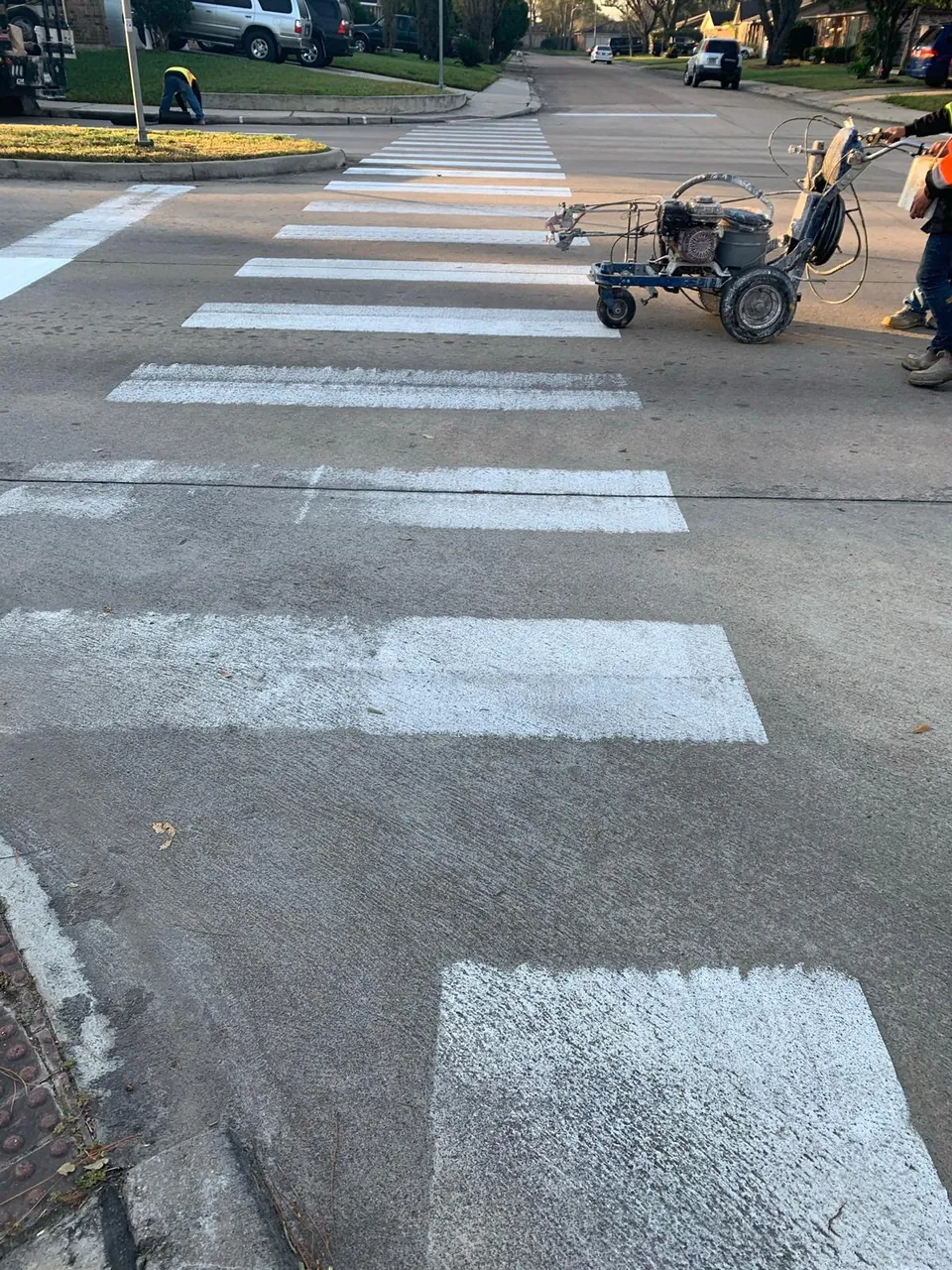
Show how people move from parking and drop-off areas to entrances. Identify reversing movements, crossing points and routes that need to remain clear. Accessibility, lighting and physical layout questions may need appropriate review beyond paint.
A painted crossing is not a guarantee of pedestrian safety.
Separate permanent and temporary arrangements
Provide the approved everyday layout and identify proposed event-related changes. Confirm who reviews the arrangement and who is responsible for signs, controls and removal of temporary instructions.
Do not create competing visible directions without a clear agreed plan.
Define work zones and timing
Explain practice, event, delivery and maintenance schedules. List markings and preparation items separately and discuss how necessary access can be maintained. Follow the selected material's application and reopening conditions rather than promising completion between two events.
Keep any pavement repair or construction work distinct unless expressly included.
Send the property address, photographs, relevant plans and event constraints. Include the arrival, departure and pedestrian routes that must remain available.