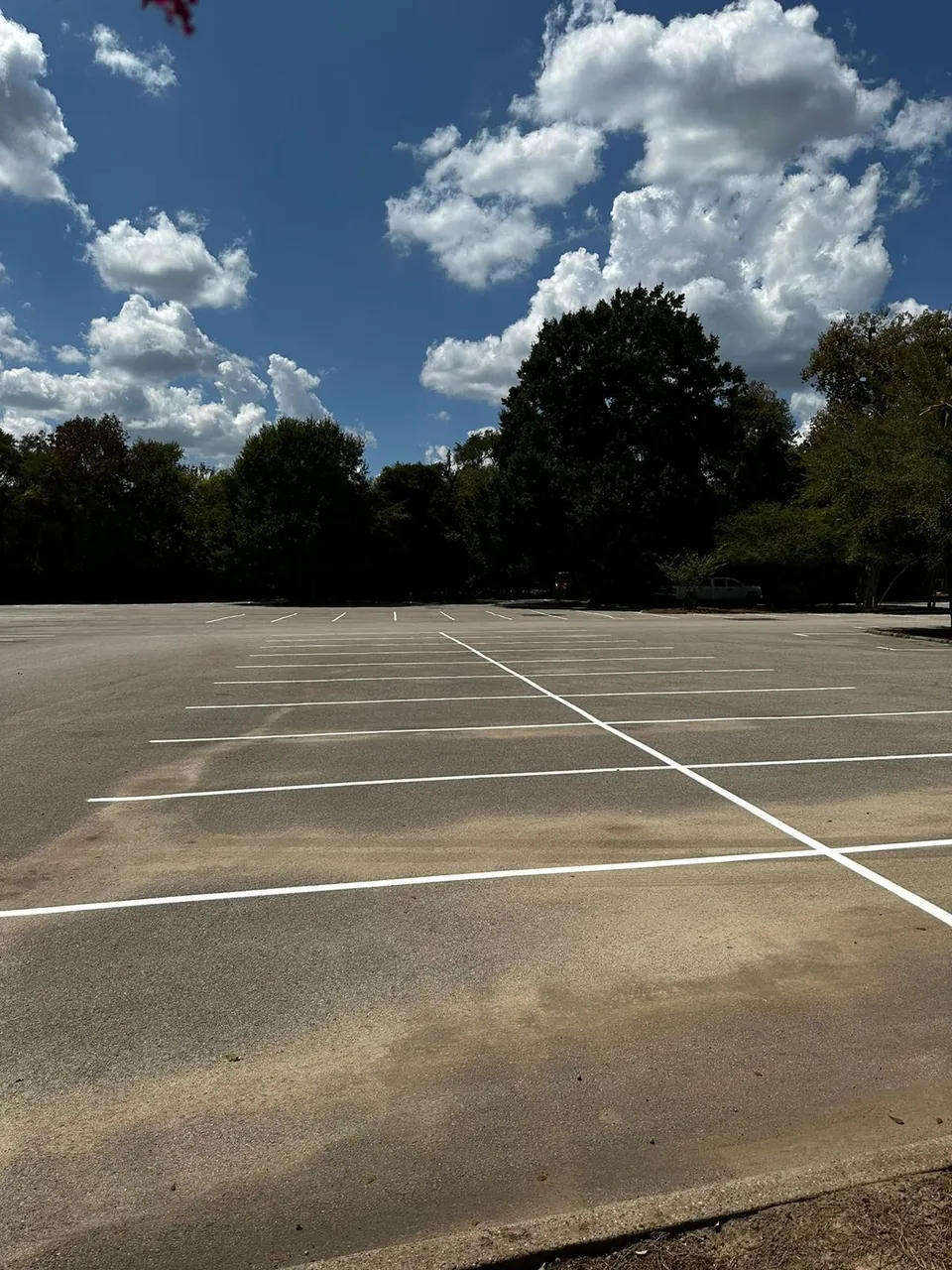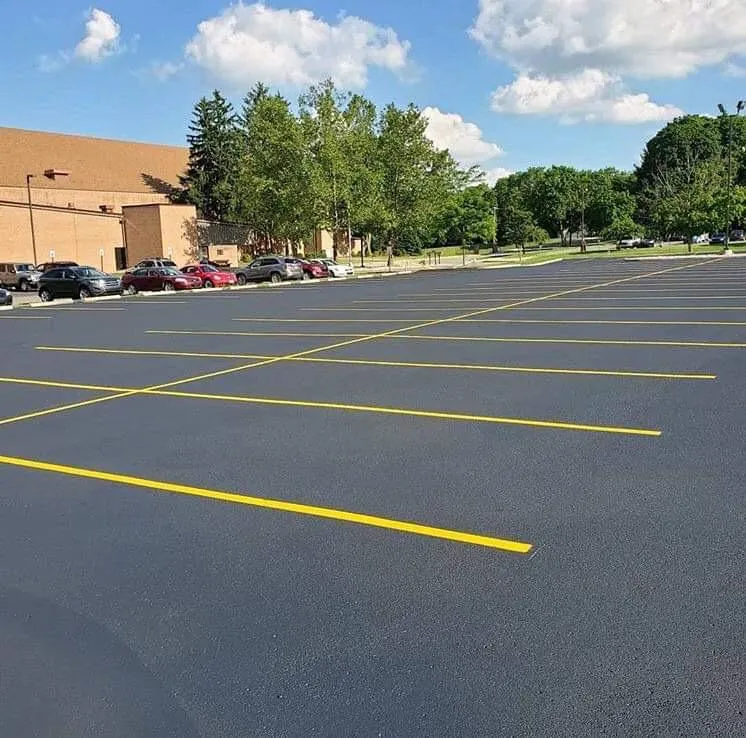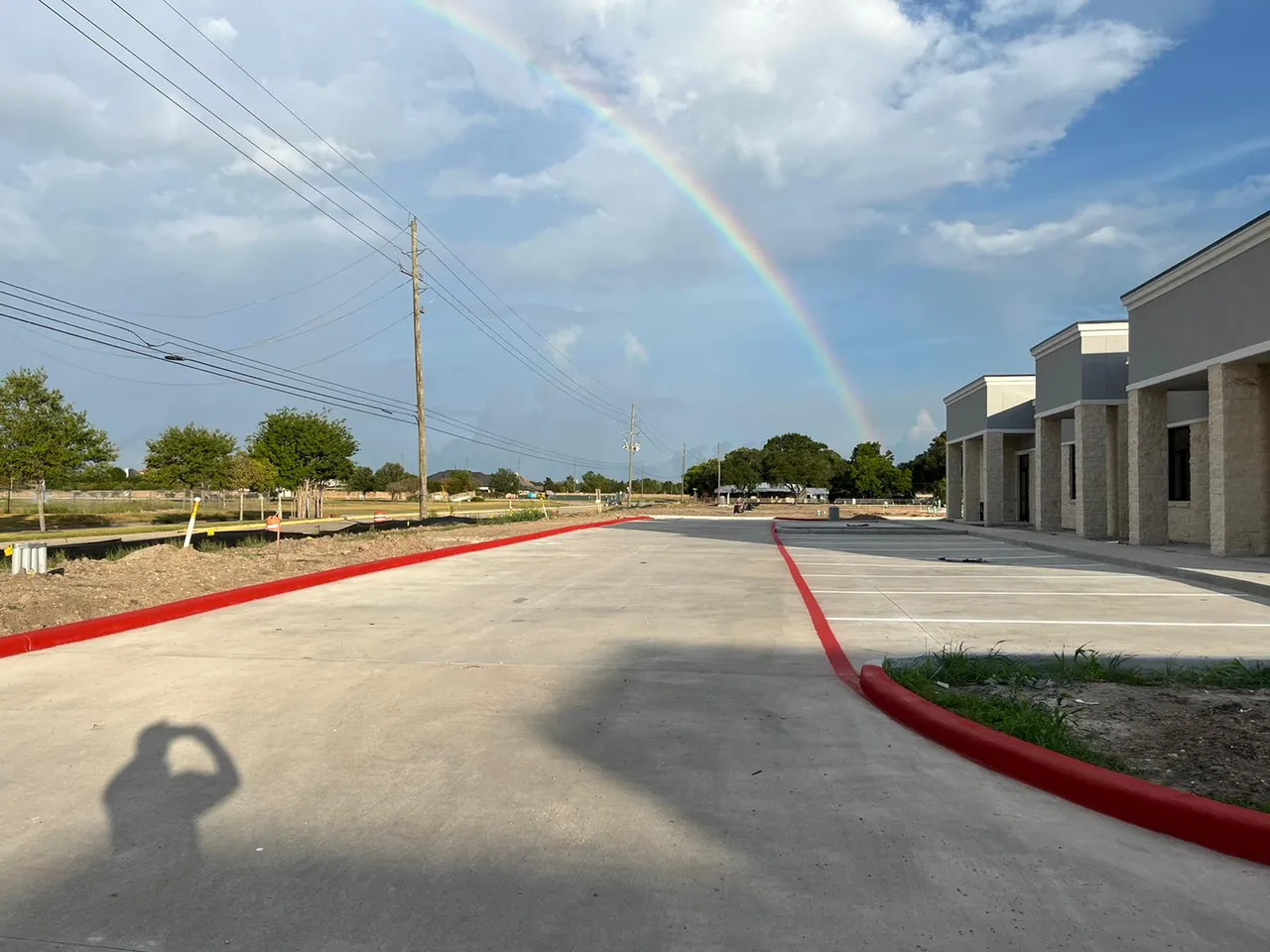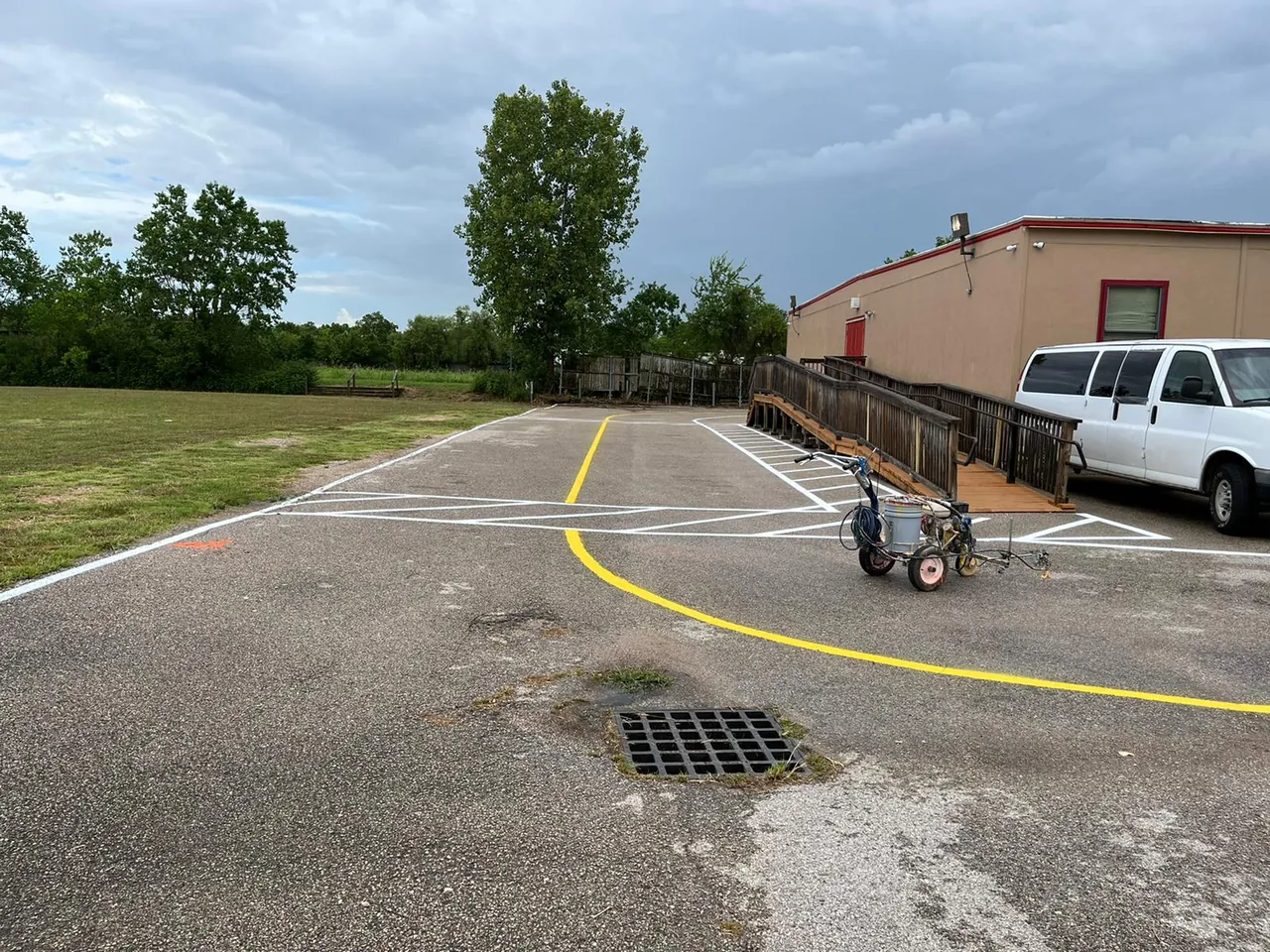
A bicycle symbol does not create a complete bicycle-parking facility. Begin with how riders arrive, where bicycles can actually be secured and how the area connects to the building without obstructing other users.
Identify the intended function
Separate bicycle parking from a riding route, a crossing or a general circulation area. Explain which function the proposed marking should communicate. Do not assume a symbol has the same meaning in every setting.
Record existing racks, entrances and routes in the property information.
Review rack use and surrounding space
Consider bicycles when parked as well as when being moved into position. Identify doors, walking routes, access aisles and vehicle movements that could conflict with the area. Refer layout and clearance questions to the responsible designer or authority.
Paint is not a substitute for suitable racks, construction or a review of accessibility.
Keep different routes distinct
Show where riders enter the property and where they dismount or continue on foot. Identify crossing and reversing conflicts rather than simply painting a connection through available space.
Changes involving a public street or other regulated facility need the appropriate instructions and approvals.
Define the marking item
Provide the approved layout, symbol or wording, dimensions and substrate. Identify old marks that conflict with the proposed arrangement. Keep rack installation, physical changes and marking work as separate responsibilities unless expressly included.
Send the property address, photographs and relevant plans. Identify the proposed bicycle parking area and the connections that need to remain clear.