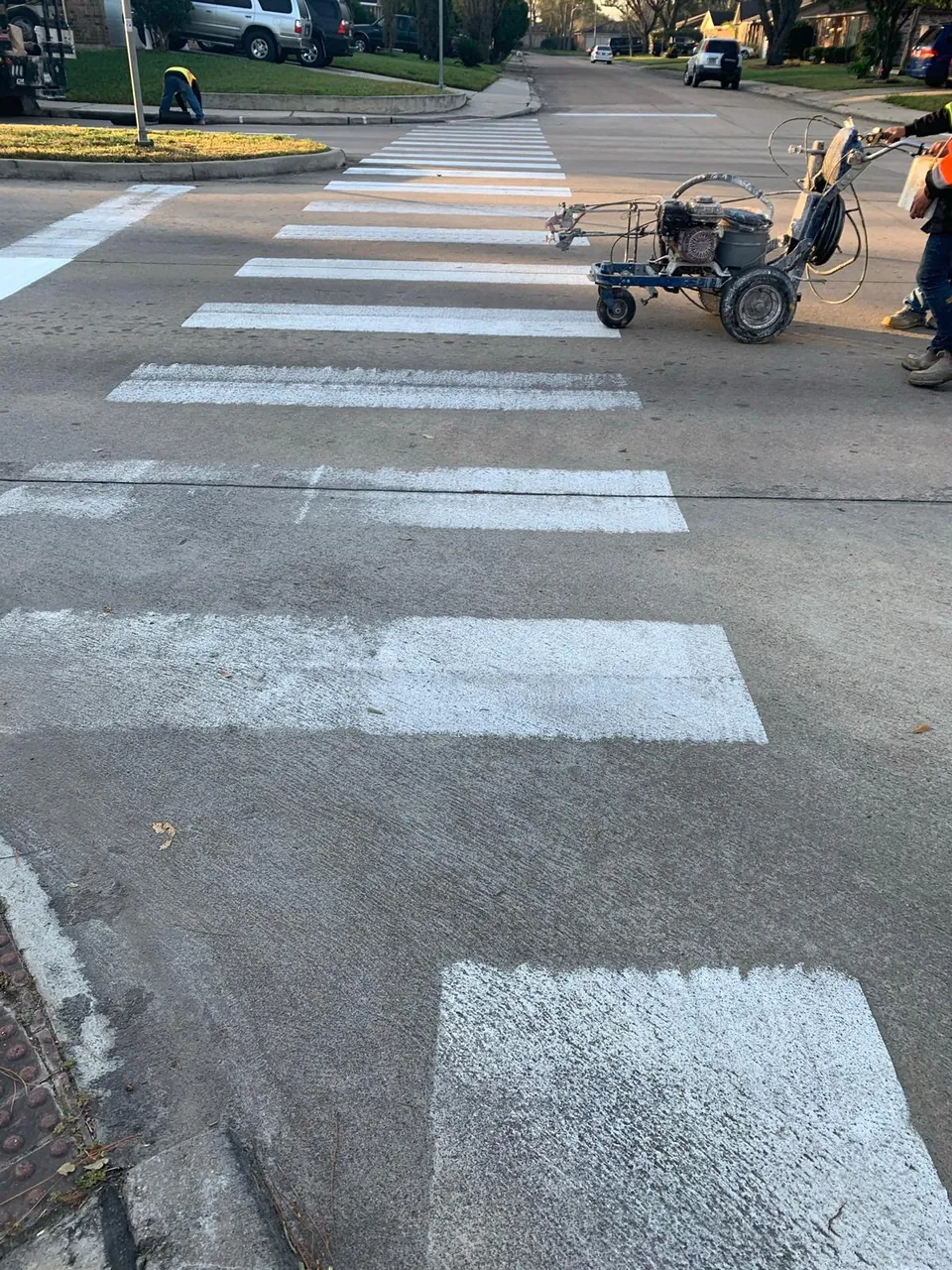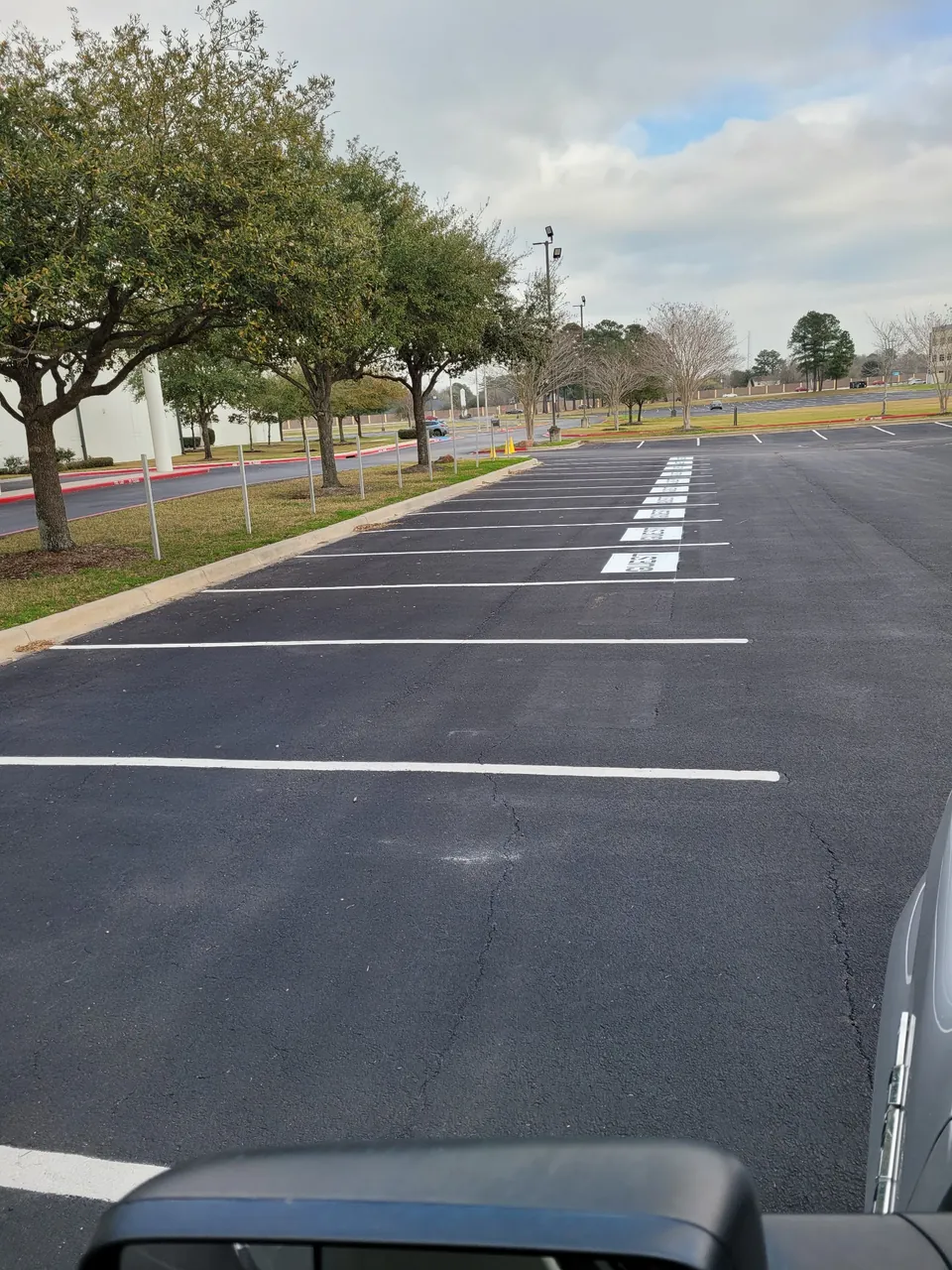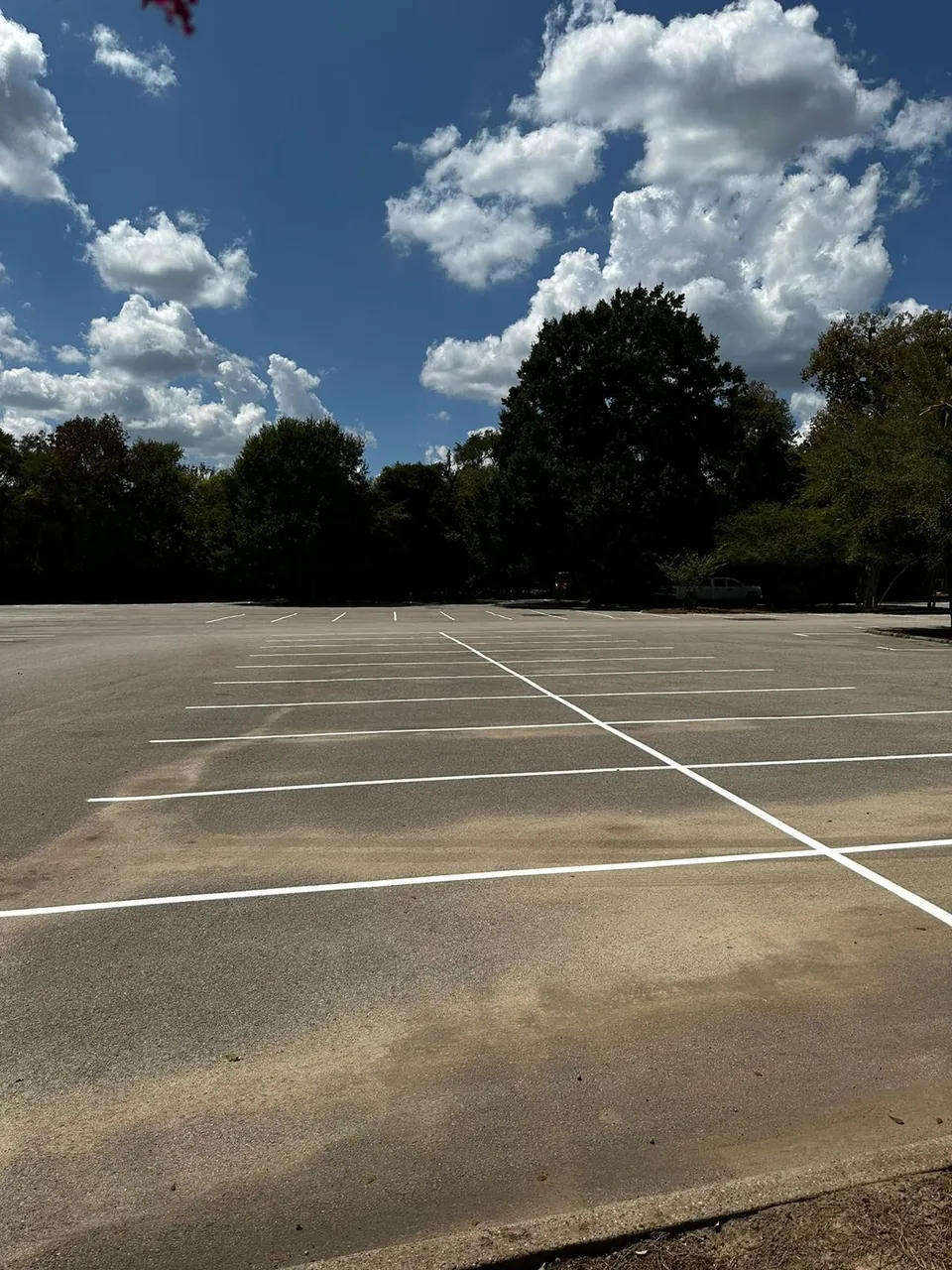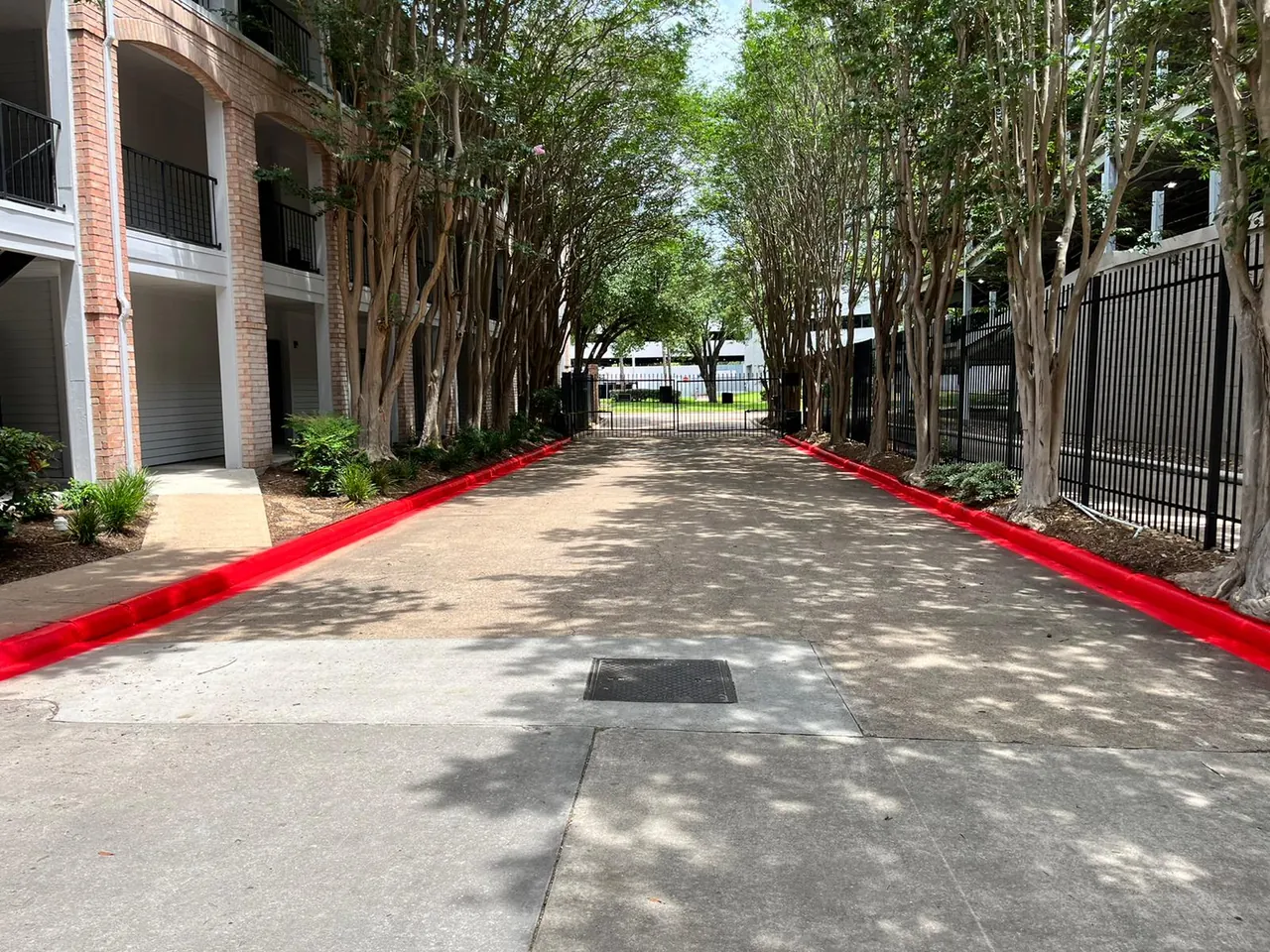
A striping estimate should describe the work behind its total. Two prices may concern different quantities, preparation or access conditions, so a single advertised rate is not enough to compare them.
Start with actual marking quantities
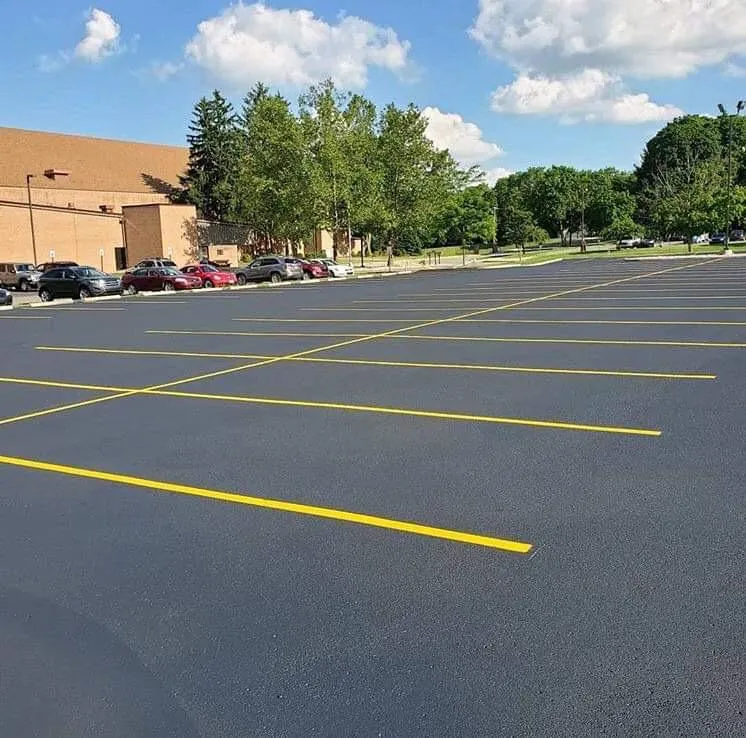
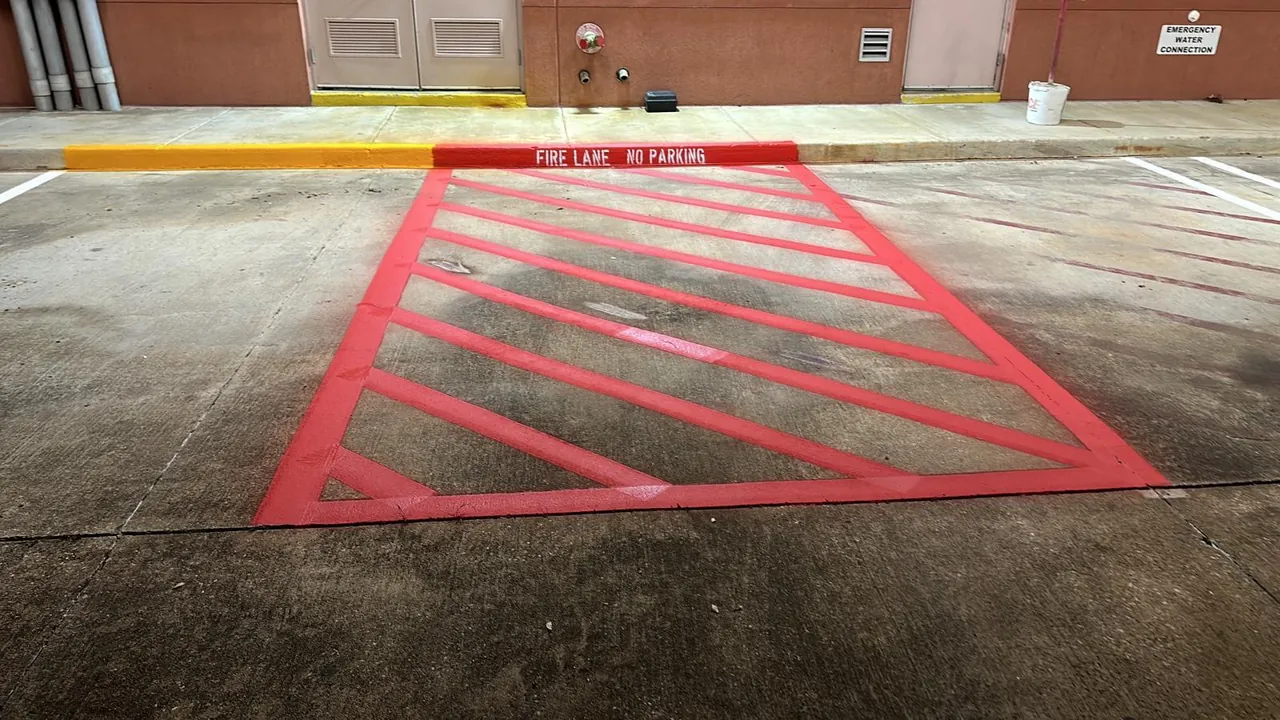
Separate line lengths and widths, arrows, symbols, stencils, solid areas and curb lettering. Identify what is retained, repainted, removed or reviewed. The entire lot area is not the area of paint.
Provide plans or quantities where available and identify items that still need measurement.
Make preparation and removal visible
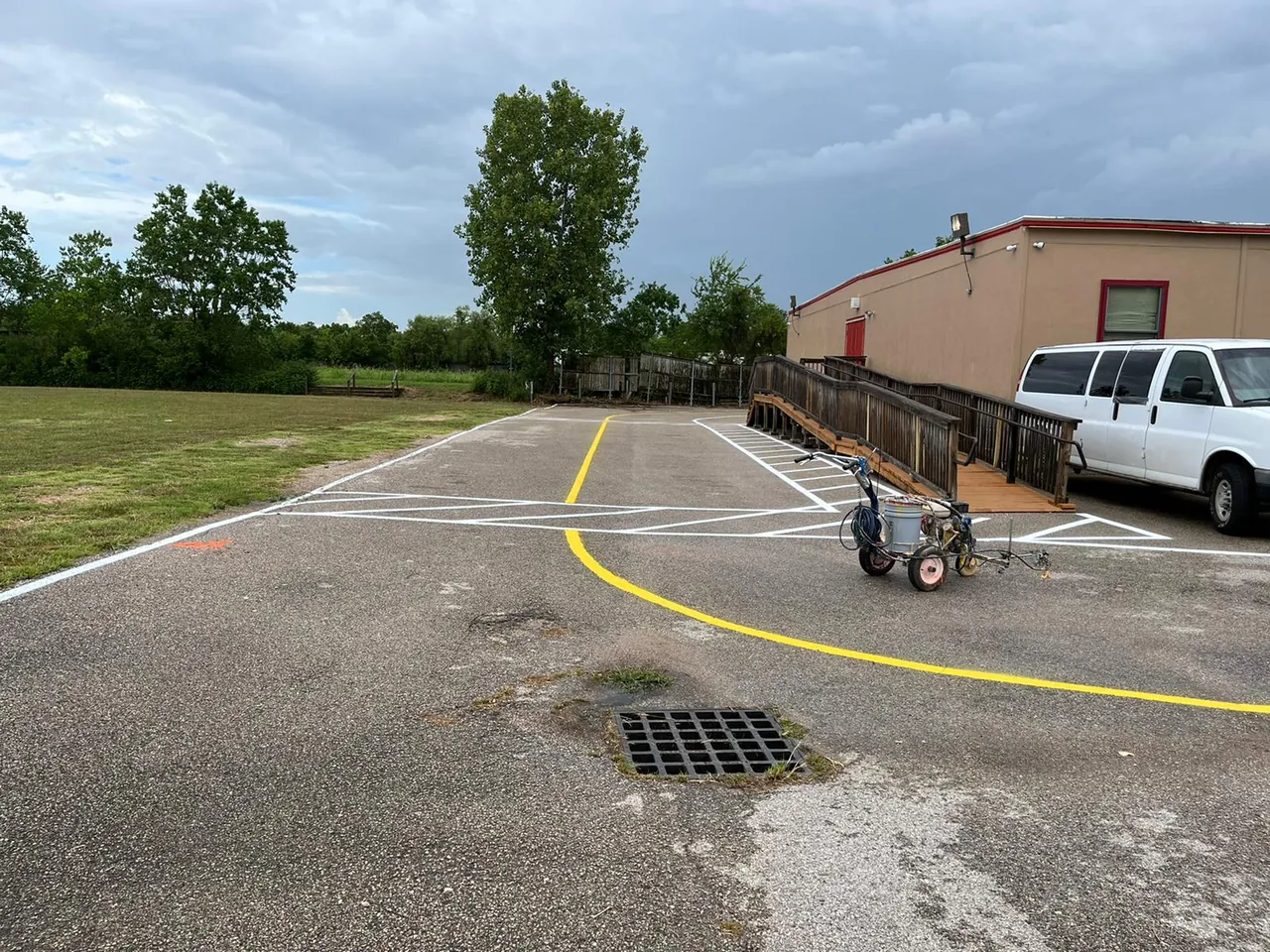
Photograph existing coatings, peeling areas, debris and surface defects. Ask which cleaning, removal or preparation tasks are included. Keep pavement repairs, surface treatments and other services separate unless expressly agreed.
Do not assume repainting includes every task required to make a damaged surface suitable.
Clarify material and access assumptions
Request the proposed material information and coating scope. Explain operating hours, loading periods, site access and work zones that affect staging. Product and site conditions also affect application and reopening.
A quicker advertised application time does not automatically mean the whole property can reopen sooner.
Compare equivalent proposals
Use the same marking list and identify exclusions, change procedures and acceptance responsibilities. Ask whether signs, inspections or additional surface work are separate items. Do not compare a paint-only total with a broader improvement project as if they were identical.
Keep agreed revisions in writing so a change in scope is not mistaken for a hidden unit-price increase.
Send the property address, photographs and itemized request for a scope discussion. Include any site-access, phasing or material requirements that may affect the estimate.